
Last updated September 22, 2026
Level 1 sweep and inspection to the NFPA 211 annual standard - flue, crown, cap, and flashing checked and photographed
Chimney sweep logs do not sweep chimneys. They loosen some creosote - which then falls where a brush and vacuum still have to collect it.
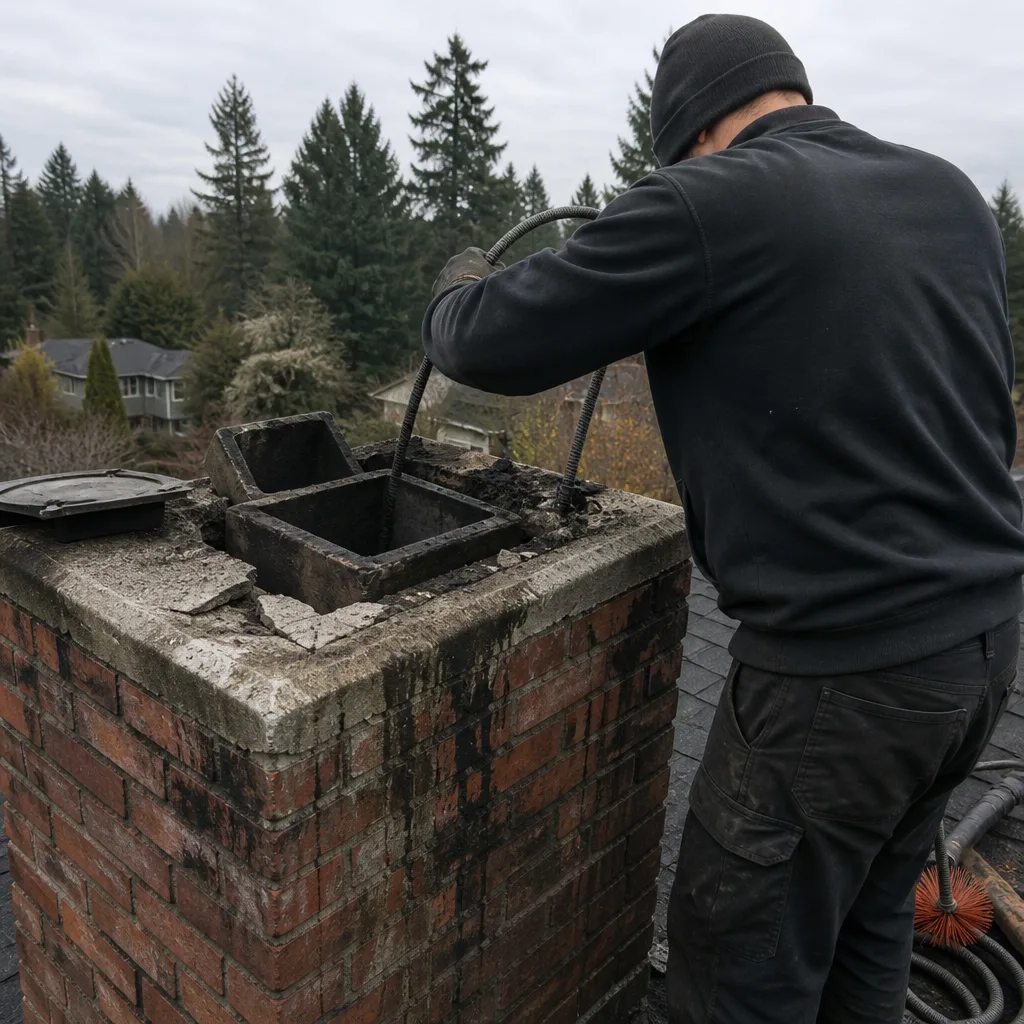 Before
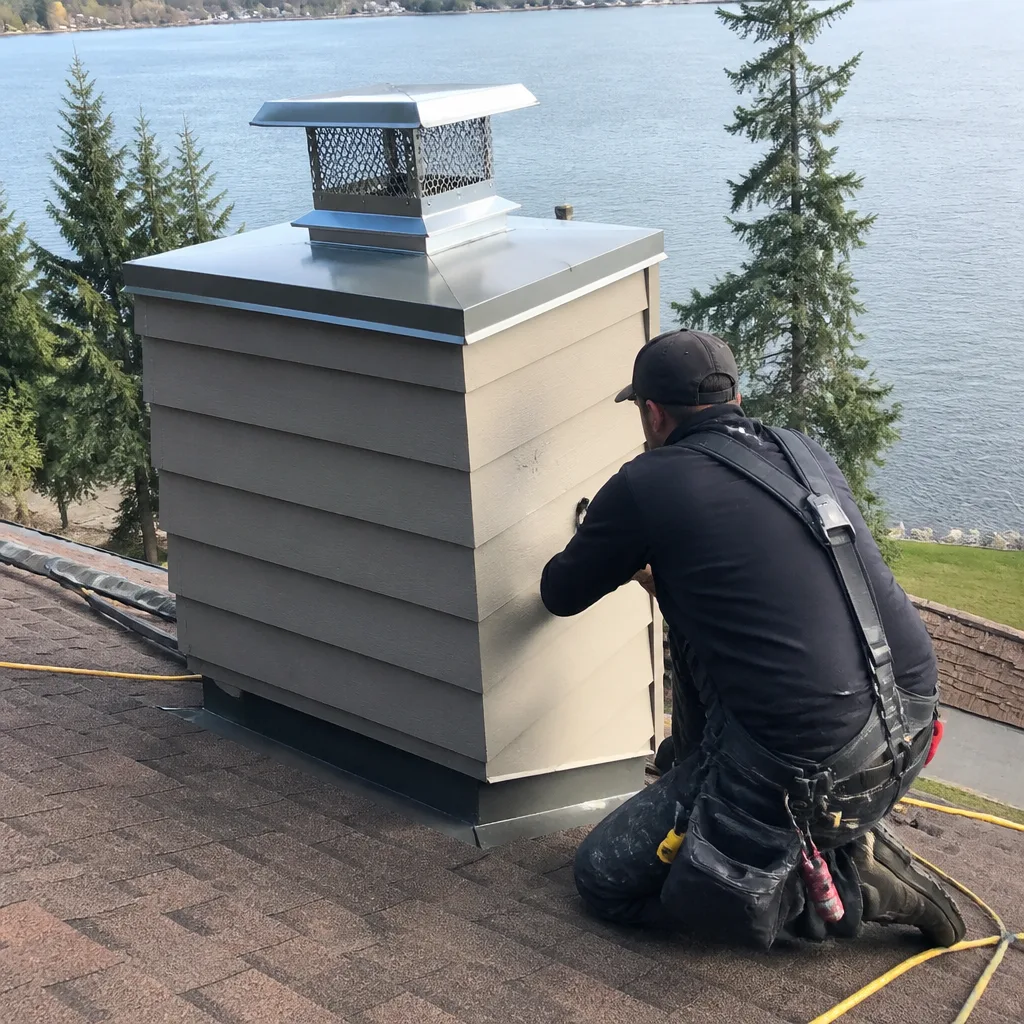 After
After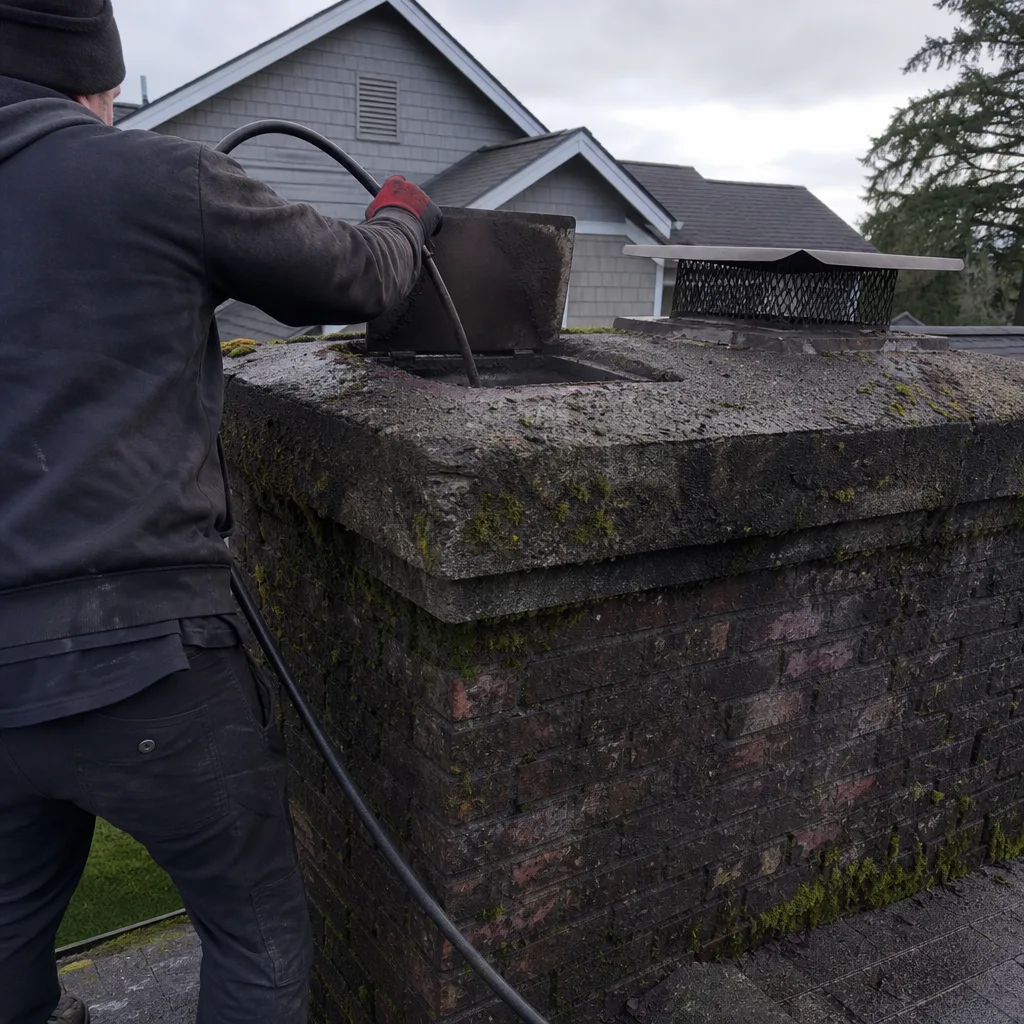 Before
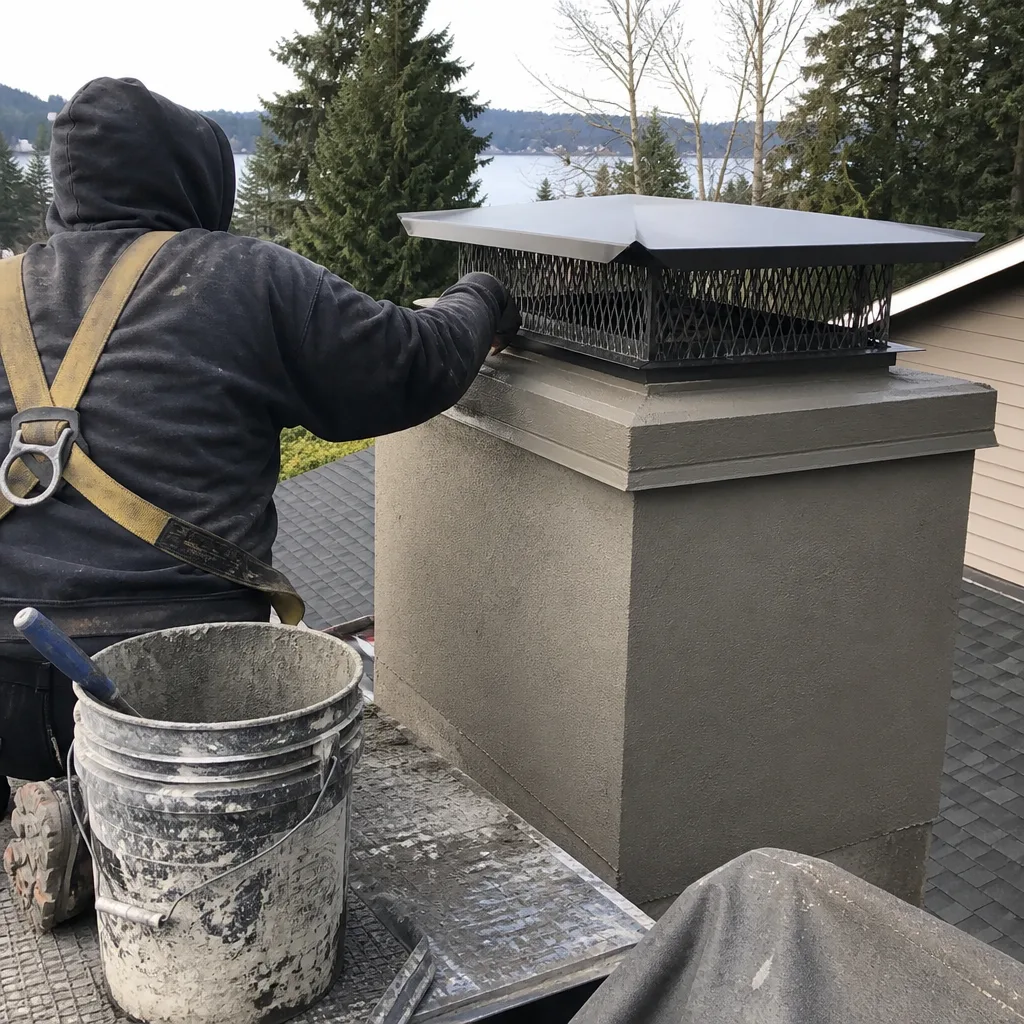 After
After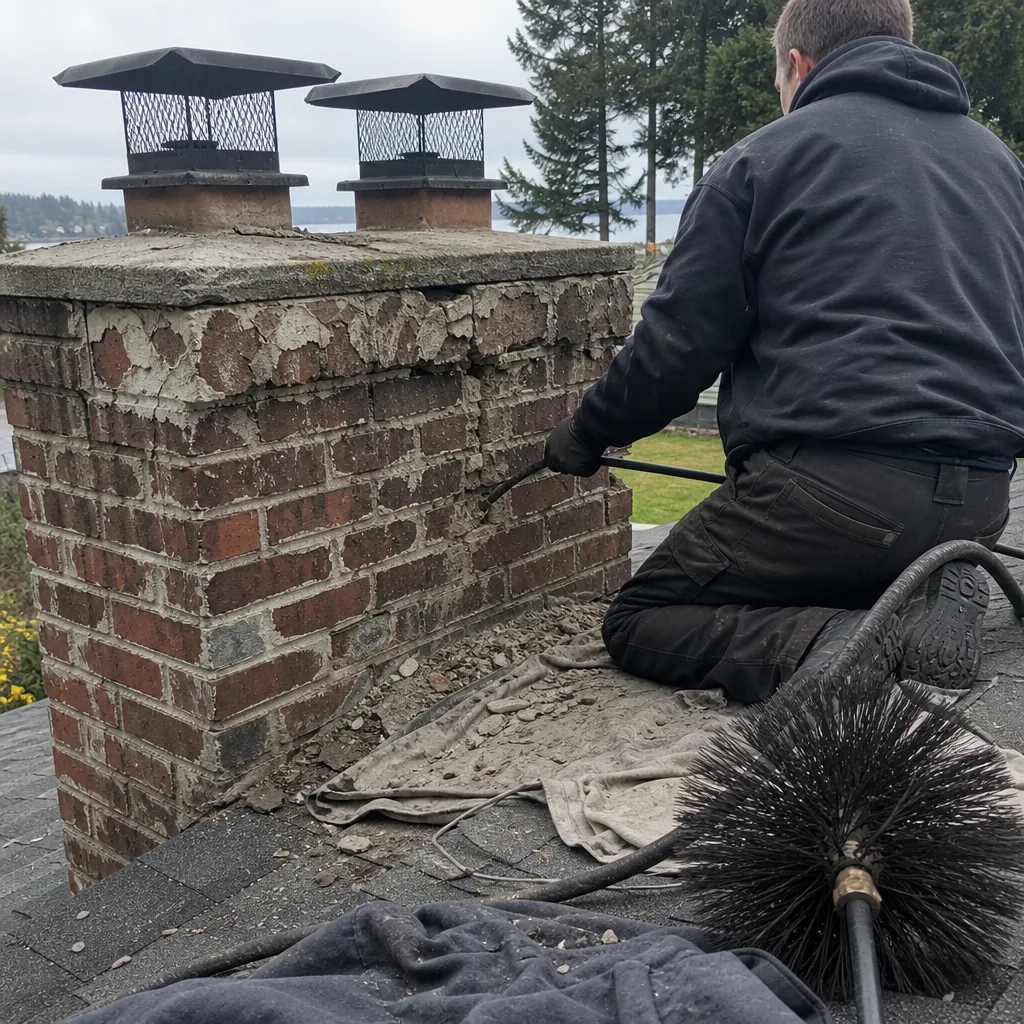 Before
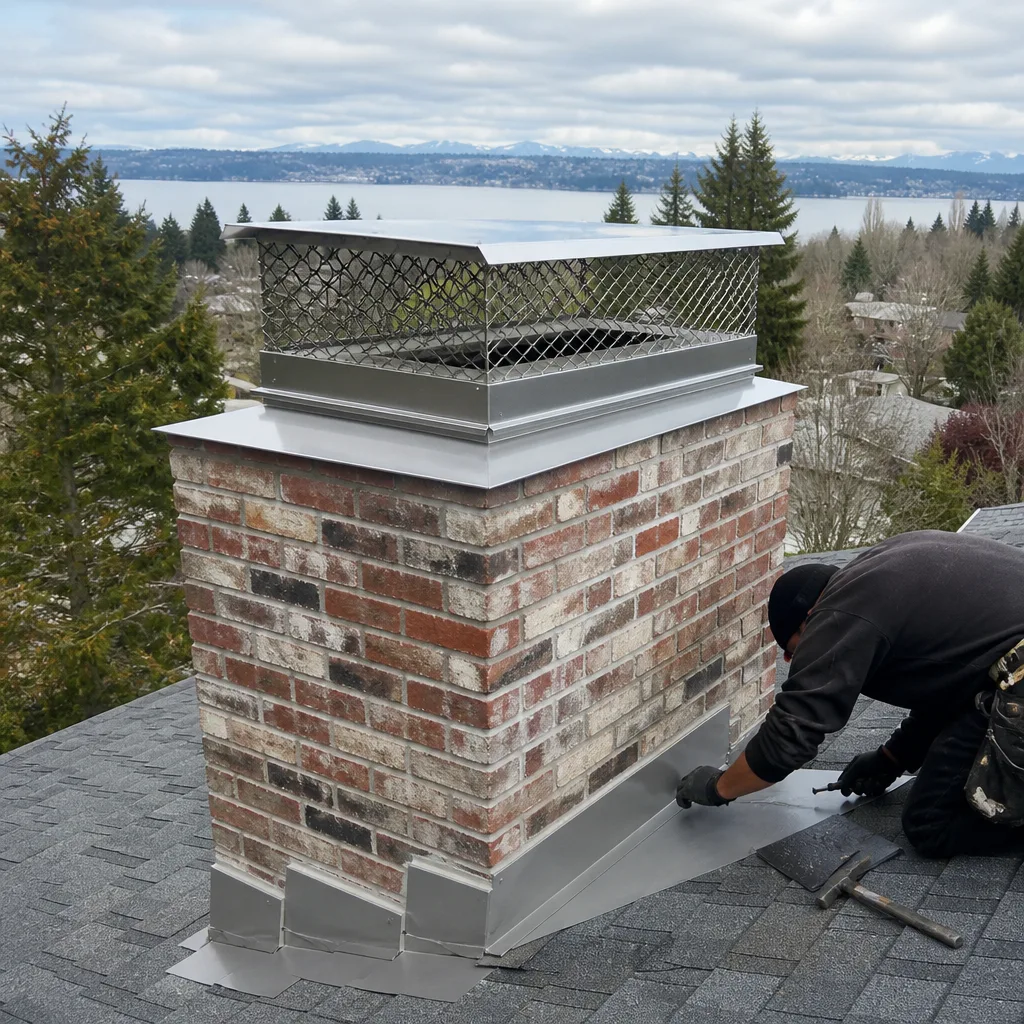 After
AfterSeasonal Chimney Cleaning Care for Bellevue: Year-Round Homeowner’s Guide
Most chimney advice assumes a dry-summer, cold-winter climate where freeze-thaw cycles shatter masonry and heavy snow loads collapse crowns. Bellevue doesn’t play by those rules. With 37 inches of annual rainfall spread across eight wet months and winter temperatures that rarely dip below freezing for long, the chimneys we inspect in Bellevue neighborhoods from Clyde Hill to Newport Hills show a different damage pattern entirely. The real enemy here isn’t ice. It’s slow moisture infiltration that works from October through June, accelerated by our heavy Douglas fir and cedar canopy that dumps debris year-round. In this guide, you’ll learn why shoulder-season maintenance outperforms the traditional “sweep before Christmas” approach, how Bellevue’s specific climate and tree cover should shape your inspection schedule, and what a year-round care plan actually looks like when it’s built for Bellevue conditions. For more guides & resources, see our blog. western Washington instead of copied from a national template.
Quick Answer
Chimney cleaning and care in Bellevue should follow a four-season schedule - see our detailed Chimney Cleaning & Sweep Maintenance Checklist for Bellevue Homeowners - starting with spring inspection for moisture damage and nesting after the wet season, summer for repairs and waterproofing when dry conditions allow, fall for a pre-burning-season camera sweep and creosote assessment, and winter for monitoring draft behavior and odors between professional visits. Because Bellevue’s rainfall is concentrated in long shoulder seasons rather than harsh winters, waiting until October to address issues often means discovering damage that’s been worsening since April.
Table of Contents
- Why Bellevue Chimneys Need a Different Schedule
- Spring (April-May): Post-Wet-Season Recovery
- Summer (June-August): The Repair Window
- Fall (September-October): Pre-Season Prep
- Winter (November-March): Monitoring Between Sweeps
- How Bellevue’s Tree Canopy Changes Everything
- What a Camera Inspection Reveals That a Flashlight Misses
- Building Your Annual Chimney Care Budget
 Before
 After
AfterWhy Bellevue Chimneys Need a Different Schedule
National chimney associations publish guidelines written for climates where winter means subzero temperatures and snow piles on the roof until March. Those guidelines emphasize pre-winter sweeps and freeze-thaw masonry protection. They’re not wrong for Minnesota. They’re incomplete for Bellevue.
Here, the thermal stress on your chimney comes from something subtler: months of saturated masonry followed by occasional cold snaps that don’t last long enough to cause dramatic cracking, but do create enough differential expansion to open hairline fractures in the crown wash. Those fractures become channels for the next rainfall. By year three or four, water is reaching the flue liner. By year six, we often find spalling brick faces in the chimney stack above the roofline, particularly on homes in the Bridle Trails and Lakemont areas where mature tree canopy blocks sun exposure and keeps masonry damp longer.
The second factor is Bellevue’s wood-burning permit zone, which covers most of the city and requires EPA-certified inserts or stoves for new installations. For details on local requirements, see Chimney Cleaning Permits, Codes & Inspections in WA: What You Need to Know. This changes what we find during inspections. Older open-hearth fireplaces in neighborhoods like West Bellevue and Enatai may still be legal grandfathered installations, but their larger fireboxes and less controlled combustion typically produce more creosote than modern closed systems. Meanwhile, newer EPA-certified units in developments like Spring District and Wilburton burn cleaner but have more complex baffle and secondary combustion chamber configurations that trap debris in ways a basic sweep can miss.
Our inspection data from 38,000+ chimneys since 2009 shows a clear pattern: Bellevue homeowners who follow a four-season maintenance schedule average 40% lower lifetime repair costs than those who sweep only in fall. The difference isn’t the fall sweep itself. It’s catching moisture intrusion and liner deterioration in spring and summer, when repairs are simpler and weather conditions allow proper curing of crown sealants, waterproofing agents, and refractory repairs.
Key differences from national guidance:
- Moisture damage peaks in May and June, not January
- Nesting activity (squirrels, raccoons, starlings) concentrates in April-May and September-October
- The optimal repair window is July-August, when three consecutive dry days are most likely
- Creosote accumulation rates run 15-20% above national averages due to softer local firewood species
- Cap and crown deterioration often precedes flue damage by two to three years
Spring (April-May): Post-Wet-Season Recovery
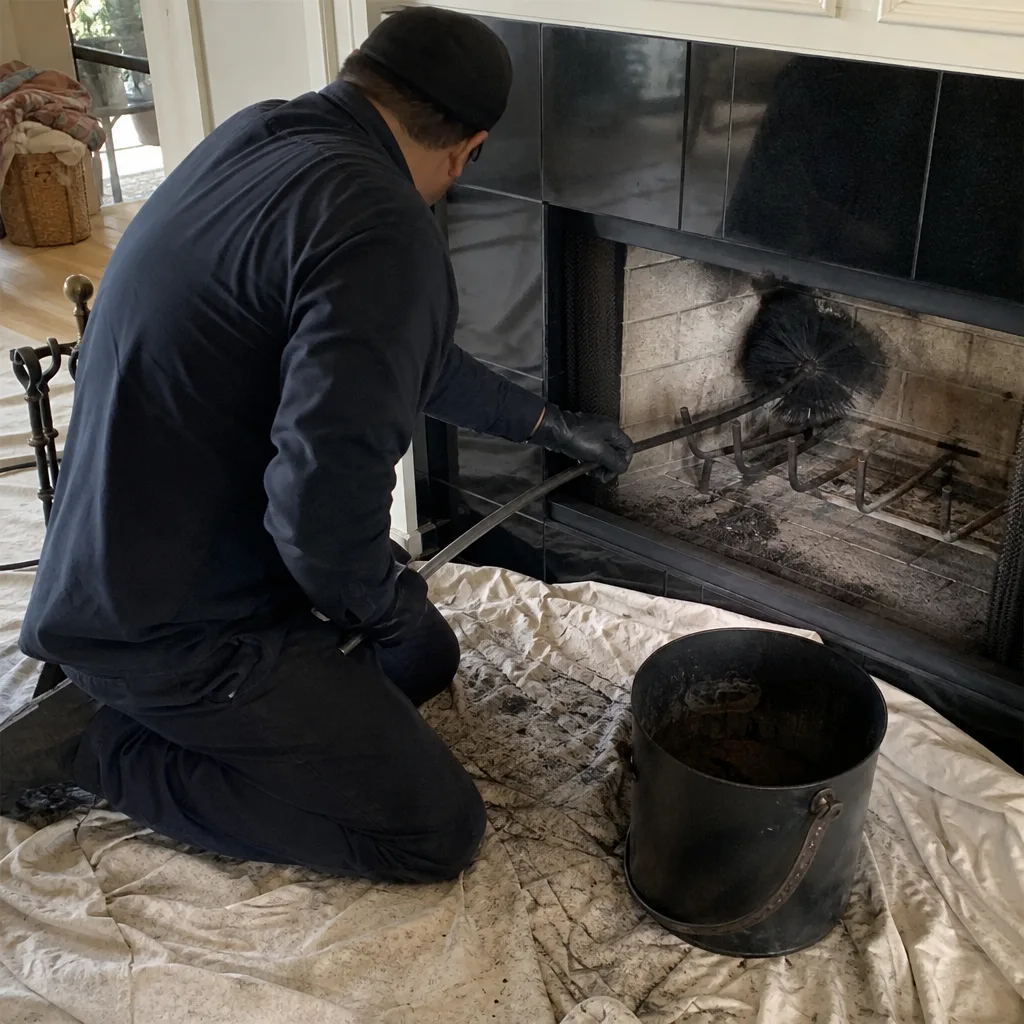
April in Bellevue is when we start getting calls about “a musty smell from the fireplace” and “white stuff growing on the outside bricks.” These are textbook post-wet-season symptoms, and they’re your chimney’s way of reporting damage that needs attention before next winter.
Here’s what we inspect during a spring visit, and why each item matters for Bellevue specifically:
- Efflorescence on masonry. That white, powdery deposit on exterior brick or block is dissolved salts left behind when water evaporates from within the masonry. In Bellevue’s climate, efflorescence isn’t cosmetic. It indicates water is moving through the masonry matrix, carrying soluble minerals to the surface. Repeated cycles weaken the mortar and begin the process that leads to spalling, flaking, and eventual brick face loss. We document efflorescence location and pattern with photos, then trace the water source - typically crown cracks, deteriorated mortar joints, or failed flashing at the roof intersection.
- Spalling assessment. Spalling is when the outer face of a brick flakes or pops off, exposing the softer interior. It’s caused by water entering the brick, then expanding when it freezes. Even in Bellevue’s mild climate, it only takes a few hours below 32°F to cause damage if the brick is saturated. We check the chimney stack above the roofline, the shoulders where snow or debris accumulate, and any areas shaded by overhangs or trees. Early spalling can be addressed with targeted tuckpointing and waterproofing. Left through another wet season, it often requires partial rebuilds.
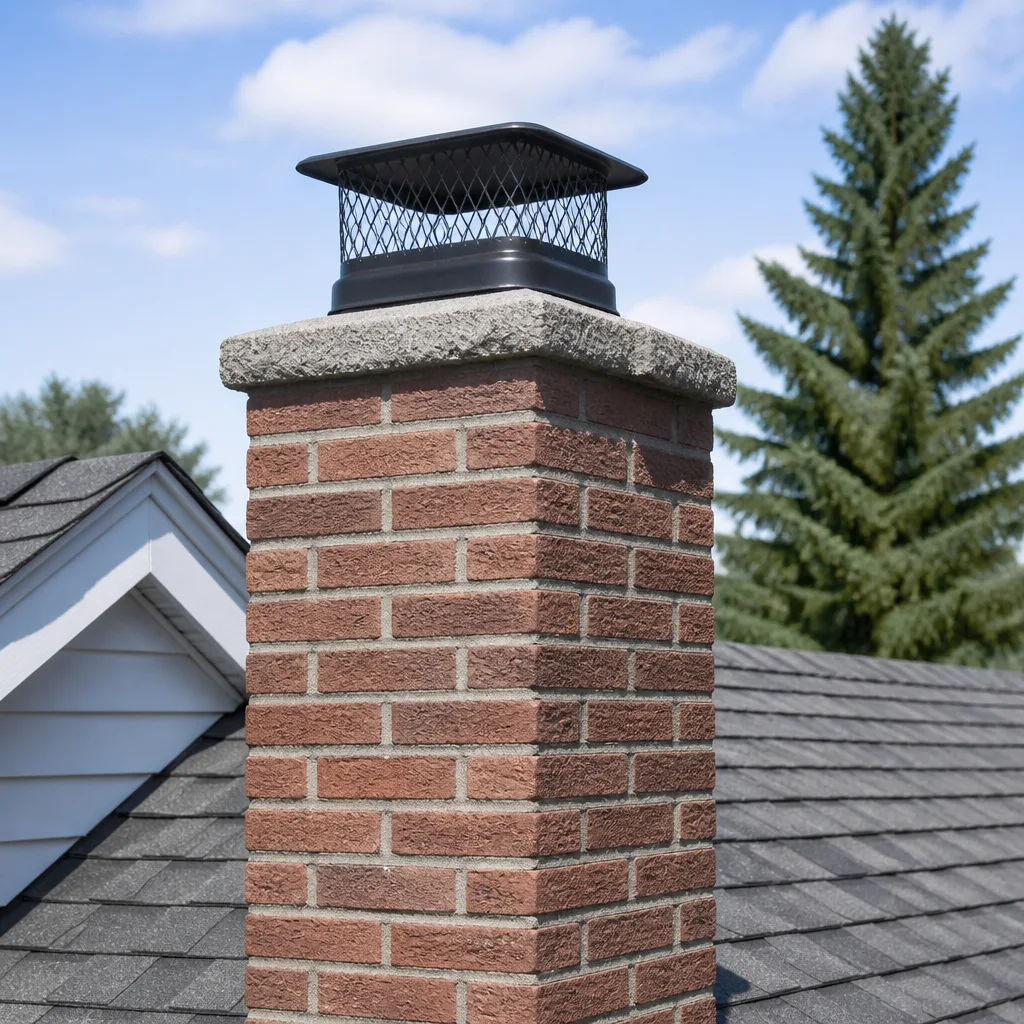
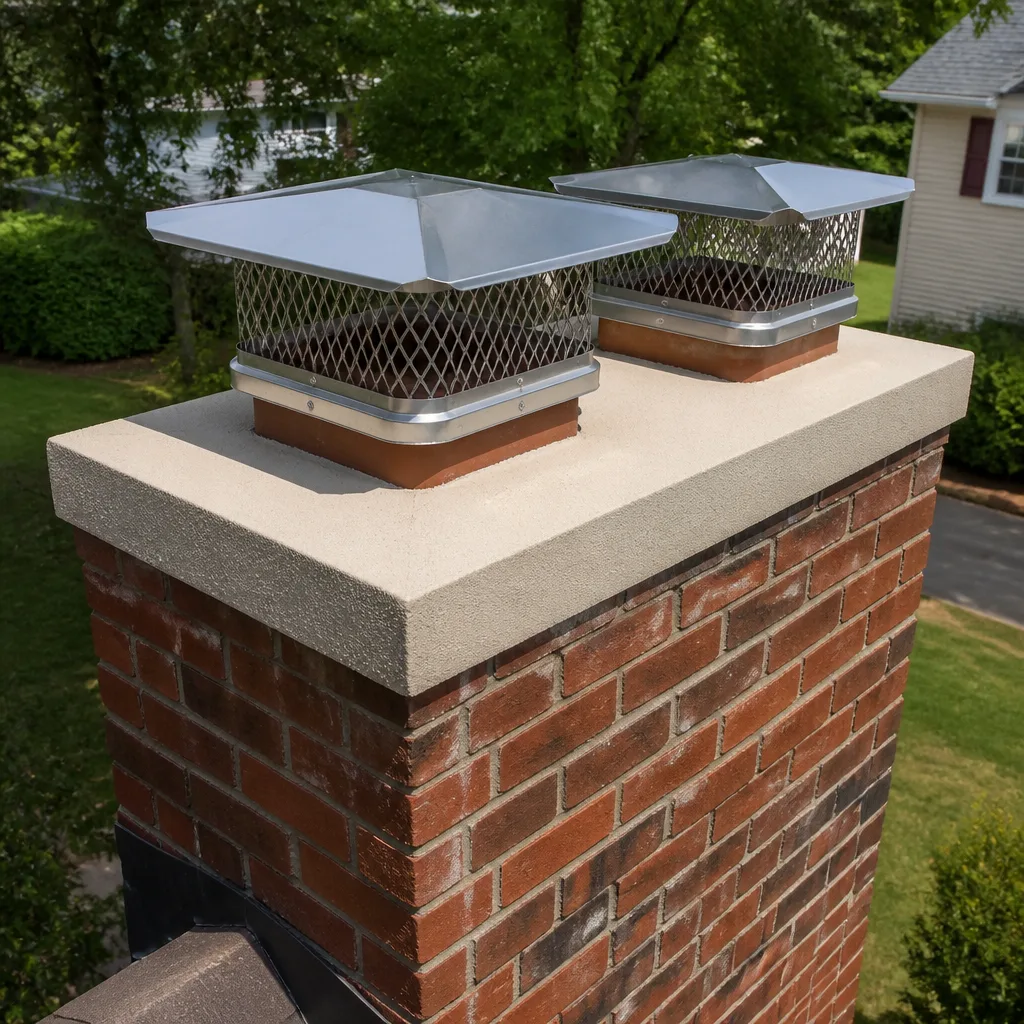
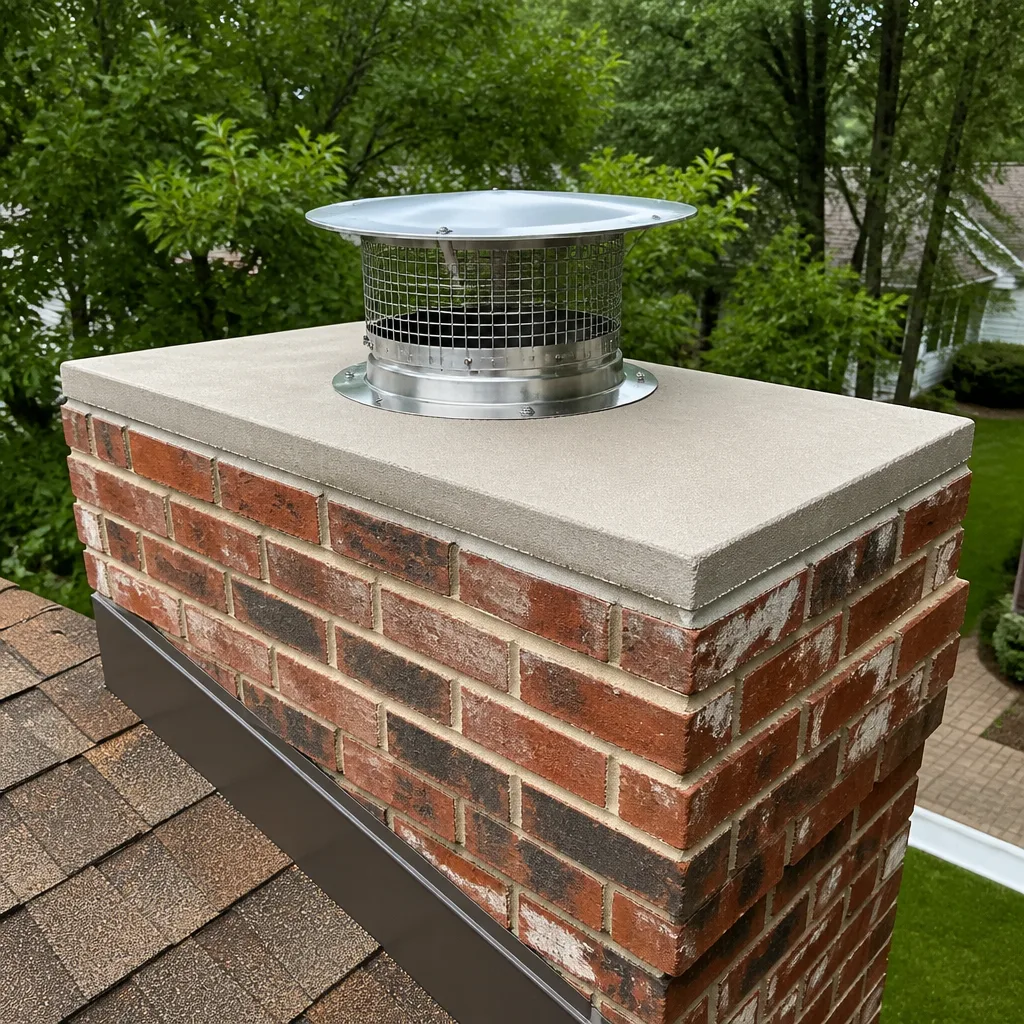
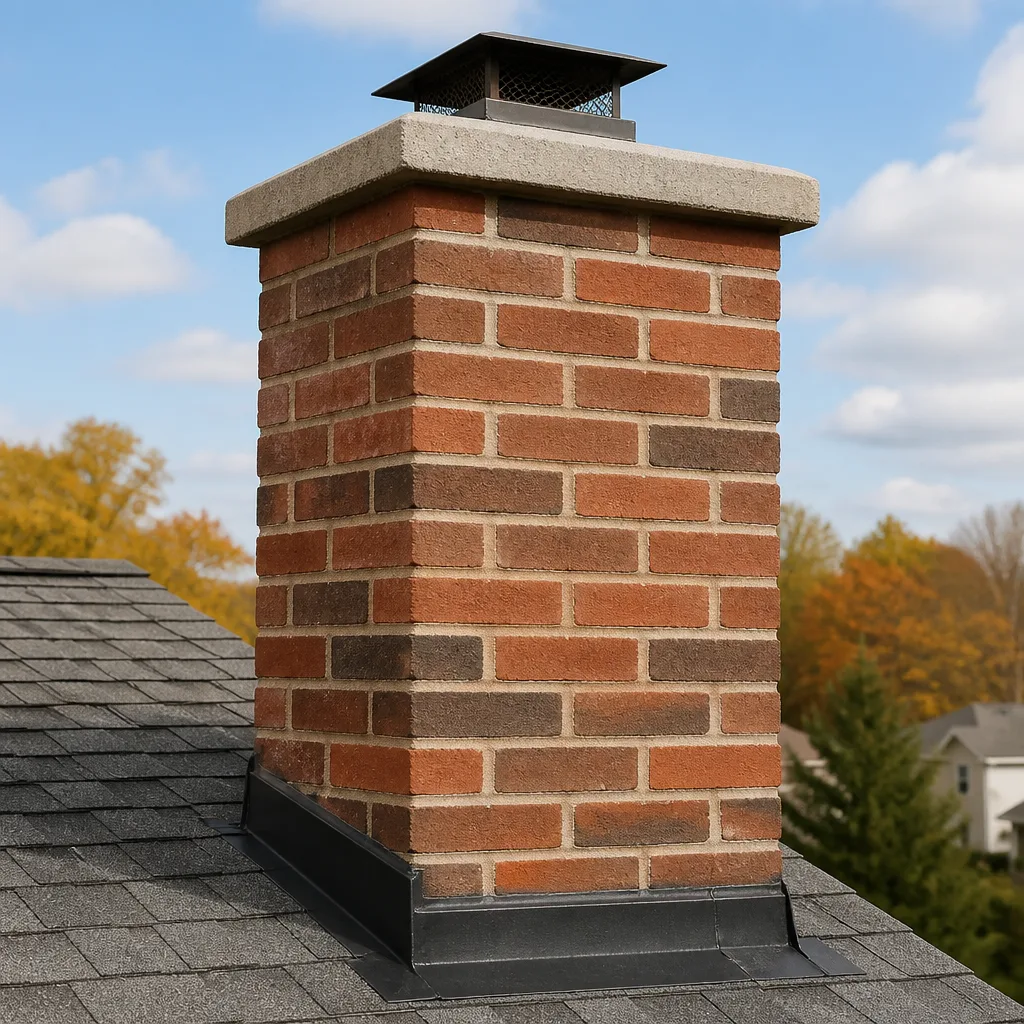
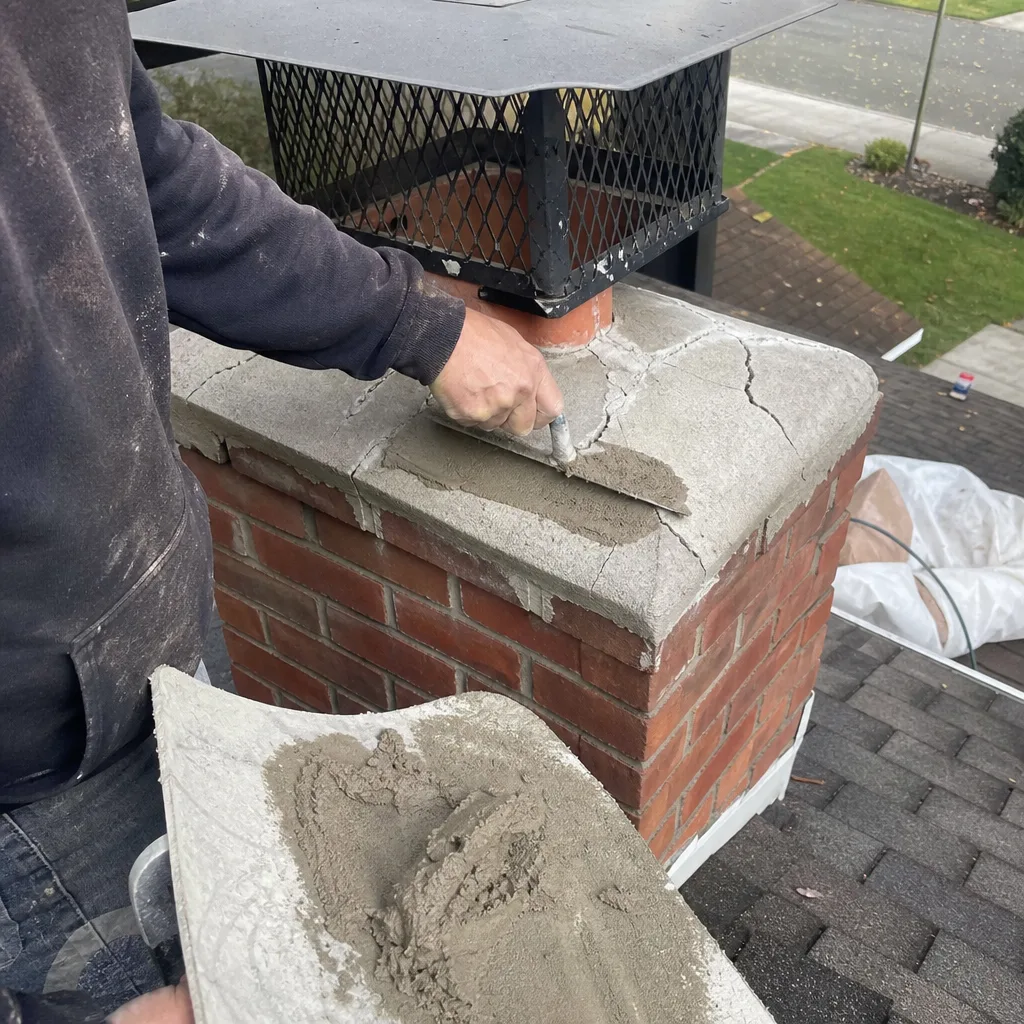
- Cap and crown wash condition. The concrete crown wash at the top of your chimney is the single most important moisture barrier. A proper crown slopes away from the flue opening and has a drip edge that directs water clear of the masonry below. In Bellevue, we find crown deterioration in roughly 60% of chimneys over 15 years old. The damage starts as hairline cracks, often invisible from the ground, that widen each wet season. Spring is when we catch these at repairable size - typically under 1/8 inch - before they require full crown replacement.
- Nesting activity in dormant flues. From late March through May, squirrels, raccoons, and starlings are actively seeking nesting sites. A chimney flue that hasn’t been used since February looks like a hollow tree to them. We find nests, nesting materials, and occasionally deceased animals in flues that were “fine last fall.” The NFPA 211 Level 2 camera inspection lets us verify flue condition without dislodging a nest into the fireplace or, worse, leaving it to block the flue next burning season.
- Smoke chamber and damper function. After months of disuse, damper mechanisms can seize or accumulate corrosion. The smoke chamber - the area above the firebox that funnels smoke into the flue - may show moisture staining or deteriorated parging (the smooth refractory coating). Spring inspection catches these issues when repair materials have time to cure properly before fall use.
Spring repairs we commonly book in Bellevue: crown crack sealing with flexible crown coat compounds, cap replacement with stainless or copper models from Famco or Copperfield, flashing repair at the roofline, and waterproofing agent application to masonry (requires 48-72 hours of dry weather, which April sometimes doesn’t provide - May is more reliable).
Summer (June-August): The Repair Window
If spring is for discovery, summer is for action. July and August in Bellevue offer the most reliable dry windows for masonry repairs, waterproofing applications, and liner work that requires proper curing conditions.
This is also when our schedule opens up. Fall booking calendars fill by mid-September with homeowners who waited. Summer callers get faster scheduling and, in our experience, more thorough attention from technicians who aren’t racing sunset to complete pre-winter sweeps.
Here’s what summer maintenance should include:
Liner repairs and replacement. If your spring inspection revealed cracked clay flue tiles, deteriorated mortar joints between tiles, or gaps in a stainless liner, summer is the time to address them. HeatShield, a cerfractory flue sealant we apply with specialized pumping equipment, requires temperatures above 50°F for proper curing and at least 24 hours without rain. In Bellevue, that means June through early September. Stainless steel liner replacements using DuraFlex products similarly need dry conditions for proper installation and sealant curing at the top and bottom terminations.
Tuckpointing and masonry restoration. Grinding out deteriorated mortar and repointing with matching mortar requires dry substrate and curing time. We won’t tuckpoint in conditions where rain could wash out fresh mortar. For Bellevue homes with significant spalling or mortar deterioration - common in the 1960s-1980s construction stock in Crossroads and Factoria - summer tuckpointing prevents the accelerated decay that another wet season would cause.
Waterproofing application. Breathable masonry waterproofing agents, properly applied, reduce water absorption by 90% while allowing vapor to escape. We apply these to the entire chimney stack above the roofline, paying special attention to the shoulders and any areas with prior efflorescence. The product needs 48-72 hours without rain. In Bellevue, we watch the forecast carefully and have July and August windows blocked for this work.
Cap and crown replacement. If your spring inspection showed crown deterioration beyond crack-sealing repair, summer replacement ensures the new concrete or pre-formed crown has time to cure before fall rains. We fabricate custom caps in stainless steel or copper through our Haven buying network, sized to your flue configuration with proper clearances and screen mesh to exclude animals while allowing proper draft.
Cost considerations: Summer repairs average 15-20% less than identical work booked in October, when demand peaks and weather windows narrow. More importantly, addressing liner or masonry issues in summer prevents the emergency service calls we see in November, when a blocked or deteriorated flue is discovered during the first fire of the season.
Fall (September-October): Pre-Season Prep
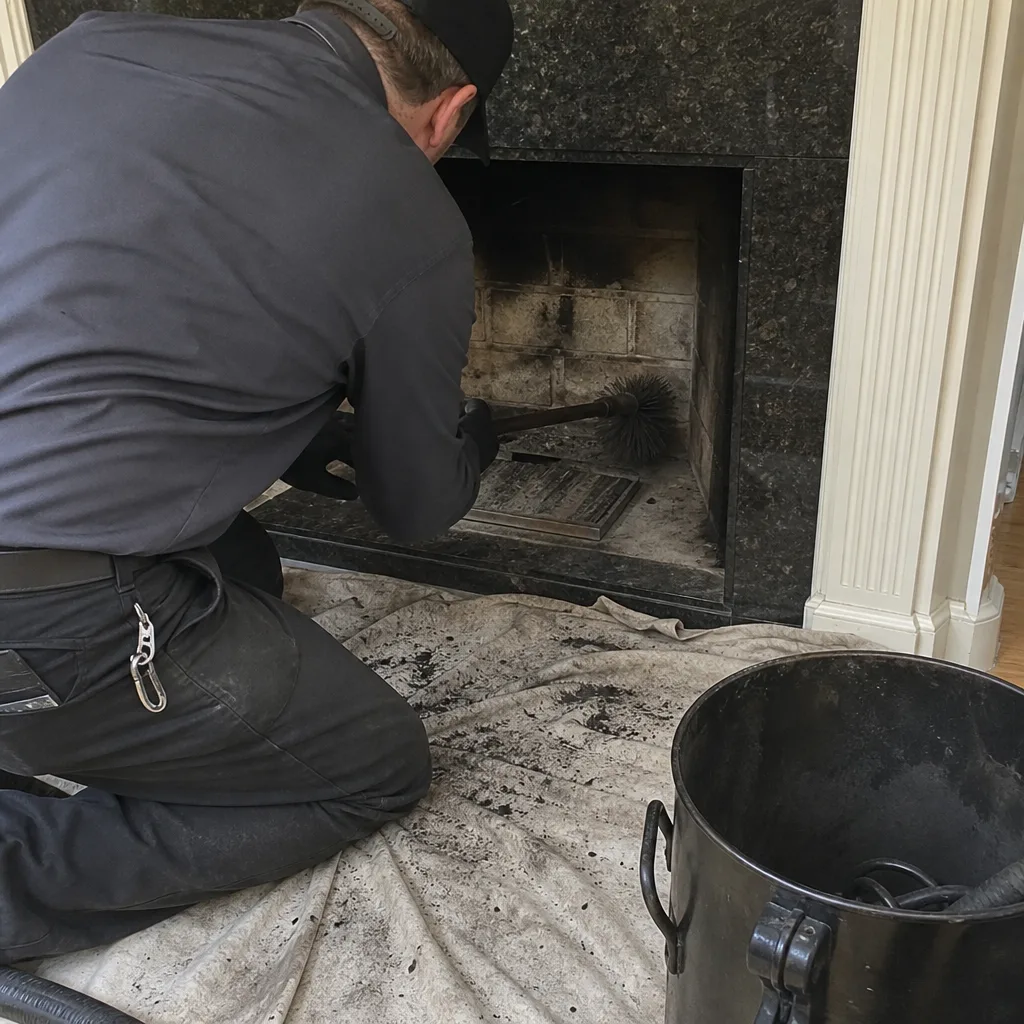
Fall is when most Bellevue homeowners think about their chimneys, and it’s a critical season - but not for the reasons national advice suggests. Here, fall preparation isn’t about surviving a harsh winter. It’s about verifying that eight months of moisture exposure haven’t compromised the system before you introduce combustion.
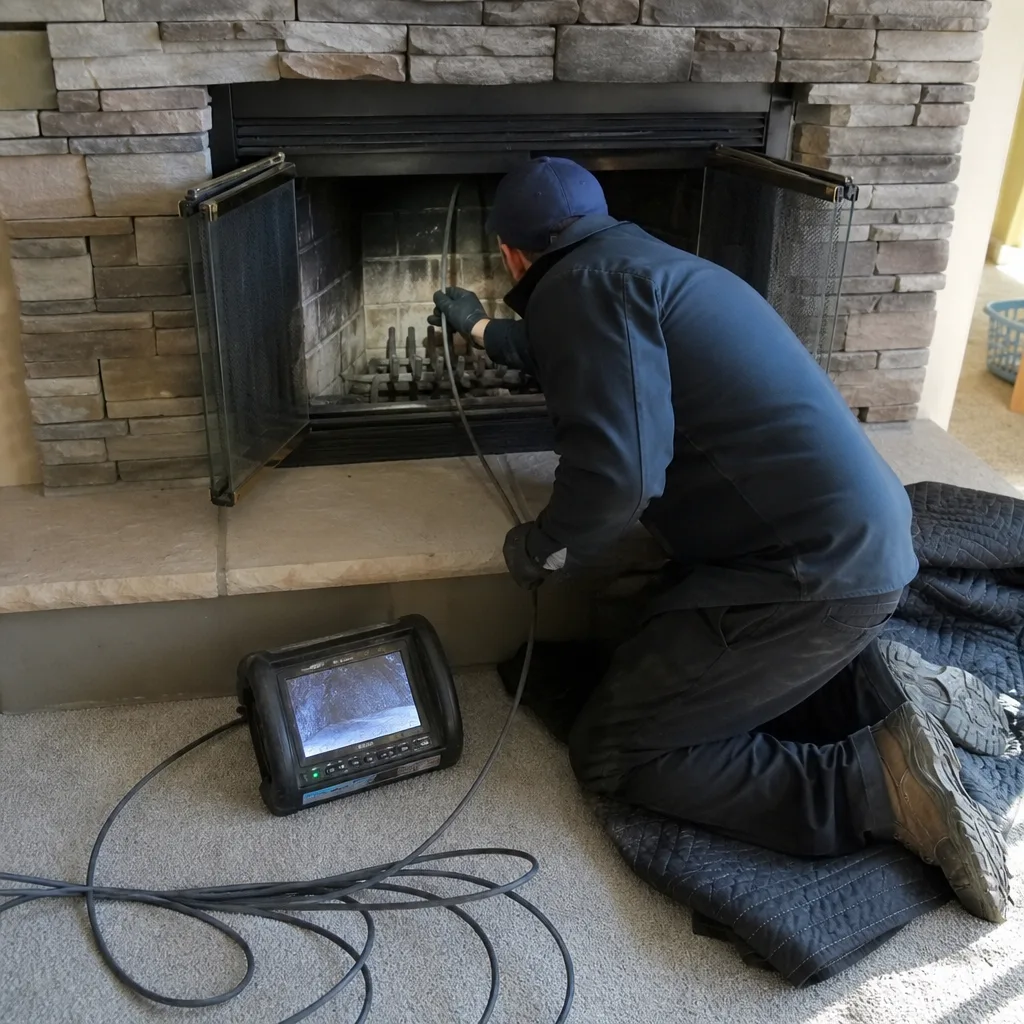
The pre-season camera sweep is the core of fall maintenance. At Chimney Cleaning & Sweep in Bellevue, this means an NFPA 211 Level 2 inspection: camera down the flue, documented photo record, and a written condition report. We don’t use flashlights and mirrors. Clause 4 of the Haven Standard, which we’ve followed since 2009, requires a photo record on every job - not as an upsell, but as the baseline documentation that lets you see what we see.
Here’s what the fall inspection specifically evaluates:
- Creosote stage and volume. Creosote accumulates in stages: Stage 1 is flaky soot, easily brushed. Stage 2 is crunchy chips requiring more aggressive tools. Stage 3 is glazed, tar-like, and often requires chemical treatment or rotary removal. Bellevue’s common firewood - Douglas fir, western red cedar, and alder - burns at lower temperatures than hardwoods and produces more Stage 2 and 3 creosote per cord. We measure accumulation in inches and classify by stage, then document with camera footage. If Stage 3 is present, we recommend treatment before regular use.
- Damper function and seal. A damper that doesn’t fully open risks smoke spillage. A damper that doesn’t fully close wastes heated air and can allow downdrafts. We test operation, check for warping or corrosion, and measure the seal with a smoke pencil.
- Firebox and smoke chamber condition. The firebox refractory panels or brick lining take direct flame exposure. We check for cracks, gaps, or deterioration that could allow heat transfer to combustible framing. The smoke chamber’s parging should be smooth and intact; rough or deteriorated surfaces create turbulence that reduces draft and promotes creosote accumulation.
- Clearances to combustibles. NFPA 211 specifies minimum clearances between chimney components and surrounding framing. In older Bellevue homes, particularly pre-1980 construction in Medina and Hunts Point, we’ve found clearance violations that were grandfathered legal at construction but create real fire risk with modern heating patterns. We measure and document, noting any recommendations for heat shields or clearance reduction techniques.
- Wood-burning permit compliance. Bellevue’s wood-burning permit zone requires EPA-certified equipment for new installations. We verify that existing installations match permit records and that any replacements were properly permitted. This matters for insurance claims and property resale.
Fall is also when we see the highest volume of emergency calls: the first cold weekend in October, when homeowners light fires for the first time and discover blocked flues, malfunctioning dampers, or smoke spillage. Scheduling your inspection in September avoids this rush and ensures time for any needed repairs before temperatures drop.
Winter (November-March): Monitoring Between Sweeps
Bellevue winters are mild enough that most homeowners use their fireplaces regularly but not continuously. This intermittent use pattern creates specific monitoring needs between professional visits.
Here’s what to watch for, and what each symptom indicates:
- Odor changes. A normal operating fireplace smells like wood smoke during use and neutral shortly after. Persistent smoky odors, particularly when the fireplace is not in use, suggest downdraft issues, negative pressure in the house, or creosote accumulation that’s releasing volatile compounds. Musty or moldy odors indicate moisture intrusion, often from crown or flashing failure. Sharp, acrid smells can signal creosote ignition - a chimney fire in early stages. Stop using the fireplace and call for inspection.
- Draft irregularities. Smoke that lazily exits the firebox, spills into the room on start-up, or requires excessive kindling to establish draft indicates a problem. Possible causes: flue blockage from debris or creosote buildup, cold flue syndrome (particularly in exterior chimneys on north-facing walls), house depressurization from exhaust fans or HVAC systems, or structural damage to the flue liner. In Bellevue’s dense neighborhoods like Downtown and BelRed, adjacent buildings can create wind patterns that affect draft - we evaluate this during inspection and may recommend a specific cap design.
- Unusual smoke behavior. Smoke that changes color during a fire (from gray to brown or black), that produces excessive sparks, or that leaves unusual residue on glass doors suggests wet wood, poor combustion, or flue restriction. We recommend moisture meters for firewood - properly seasoned wood reads below 20% - and can evaluate combustion efficiency during inspection.
- Visible exterior changes. After windstorms, which peak December through February, check your chimney from the ground for displaced caps, visible cracks, or new leaning. Ice accumulation at the roofline, rare but possible in cold snaps, can damage flashing. We don’t recommend roof access for homeowners; if you see something concerning, call for a camera inspection.
When to stop using the fireplace and call immediately: smoke spillage that doesn’t resolve with damper adjustment, visible flames or glowing material in the flue (chimney fire), sudden draft reversal with headache or nausea (possible carbon monoxide), or structural damage visible from the ground. For Chimney Repair in Bellevue, we provide emergency assessment and can often inspect within 24 hours during winter months.
Between sweeps, burn only seasoned hardwood when possible, avoid overloading the firebox, and never burn treated lumber, cardboard, or wrapping materials. These practices reduce creosote accumulation and extend the interval between professional cleanings.
How Bellevue’s Tree Canopy Changes Everything
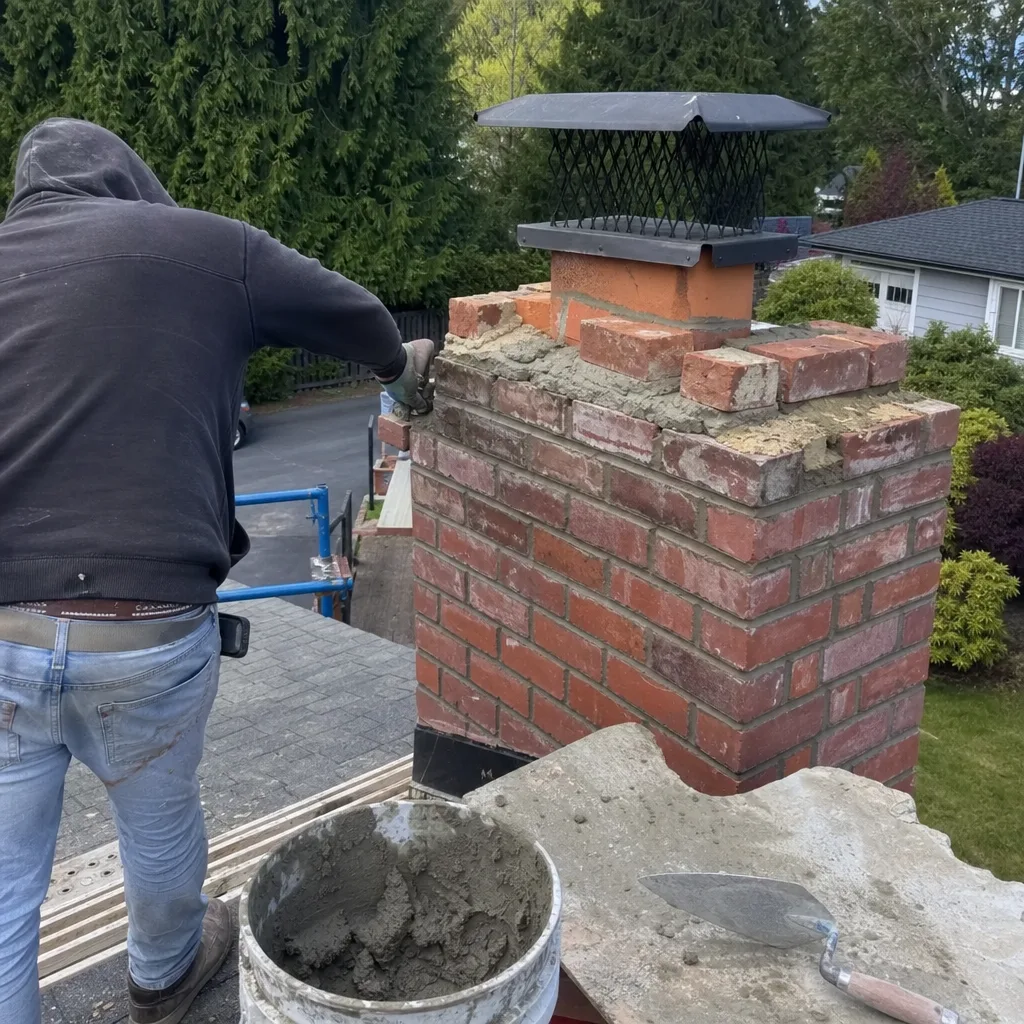
Bellevue’s urban forest is exceptional. The city maintains over 2,000 acres of parks and open space, and residential neighborhoods from Somerset to Woodridge are characterized by mature Douglas fir, western red cedar, and bigleaf maple. This canopy shapes chimney maintenance in ways that national averages don’t capture.
Debris accumulation rates in Bellevue run significantly above national averages. Here’s why:
- Needle drop from Douglas fir. Unlike deciduous trees that shed once in fall, conifers shed needles year-round with peak drop in late summer. These needles are resinous, slow to decompose, and highly flammable when dry. They accumulate on chimney caps, in gutters that overflow onto masonry, and occasionally enter flues through damaged screens.
- Cedar scale and bark fragments. Western red cedar sheds bark scales that are lightweight and wind-mobile. They collect on chimney shoulders and in crown wash depressions, holding moisture against masonry for days after rain stops.
- Maple samaras and leaf debris. Bigleaf maple produces large, winged seeds that clog cap screens and accumulate in gutters. Fall leaf drop, while seasonal, is voluminous and can overwhelm gutter systems, causing overflow that saturates chimney bases.
- Wildlife corridors. Mature canopy creates continuous habitat from Bridle Trails State Park through residential neighborhoods. Squirrel and raccoon populations are robust, and chimneys without proper caps are inspected by animals every spring and fall.
For Bellevue homeowners, this means sweep frequency should typically exceed the NFPA 211 minimum of annual inspection. Our recommendation based on local conditions:
| Usage pattern | Tree canopy density | Recommended sweep frequency |
|---|---|---|
| Occasional (1-2 fires/week) | Light (no overhanging trees) | Annual inspection, sweep as needed |
| Regular (3-5 fires/week) | Moderate (some overhanging branches) | Annual sweep and inspection |
| Heavy (daily use in season) | Dense (direct canopy cover) | Fall sweep, spring inspection, sweep again mid-season if usage exceeds expectations |
| Any EPA-certified insert/stove | Any | Annual inspection minimum; check manufacturer requirements, which often specify more frequent cleaning |
Cap selection matters more in Bellevue than in open-country settings. We specify stainless steel caps with 5/8-inch mesh (small enough to exclude starlings and bats, large enough to avoid ice bridging) and solid tops with adequate projection beyond the flue opening. For homes in heavily wooded settings, we sometimes recommend custom-fabricated caps with extended skirts that shed debris more effectively.
What a Camera Inspection Reveals That a Flashlight Misses
The distinction between a Level 1 inspection (visual, from accessible areas) and a Level 2 inspection (camera scan of the full flue interior) isn’t academic. In Bellevue’s moisture-heavy environment, it’s the difference between catching liner deterioration at repairable stage and discovering it after it’s caused structural damage or a safety hazard.
Here’s what we find with the camera that flashlight inspections miss:
Hidden flue liner cracks. Clay flue tiles crack from thermal shock, settling, or moisture damage. A crack on the hidden side of a flue tile - the side facing the masonry, not the fire - is invisible from below and often invisible from above. The camera reveals these cracks in detail, with footage that shows length, width, and whether the crack extends through multiple tiles. In Bellevue, we find these frequently in chimneys that “passed” a flashlight inspection the previous year.
Mortar joint deterioration between tiles. The mortar joints between flue tiles are critical for containing heat and combustion gases. When they deteriorate, gases can leak into the chimney cavity and from there into the house. Flashlight inspection might reveal obvious gaps, but camera footage shows the full circumference of each joint and catches early deterioration before gaps are visible.
Glazed creosote deposits. Stage 3 creosote often forms in layers that appear as dark staining from below but reveal their true thickness and extent only under camera light. We measure these deposits and document their location, which determines whether chemical treatment, rotary removal, or controlled burning (in specific circumstances) is appropriate.
Moisture staining and efflorescence inside the flue. Water entering from crown cracks or flashing leaks leaves distinctive staining patterns on flue tiles. These patterns help us trace the water source and distinguish active leaks from historical damage. Flashlight inspection might show “dark spots”; camera documentation shows the pattern that reveals cause.
Foreign objects and obstructions. We’ve found nests, deceased animals, construction debris from original build, and - in one memorable Bellevue inspection - a child’s toy dropped down the flue decades earlier. These obstructions reduce draft, create fire hazards, and can block the flue entirely.
Clause 4 of the Haven Standard requires this documentation on every job. You receive the photo record, typically 15-30 images plus video footage of the full flue scan, with annotated notes on any findings. This isn’t for our records. It’s for your insurance, your home sale disclosure, and your own understanding of what you have.
For Fireplace Services in Bellevue, camera inspection is included as standard, not sold as an upgrade. If you’re comparing providers, ask specifically whether their “inspection” includes a camera scan of the full flue interior. If it doesn’t, you’re not getting the information you need to make informed decisions about your chimney.
Building Your Annual Chimney Care Budget
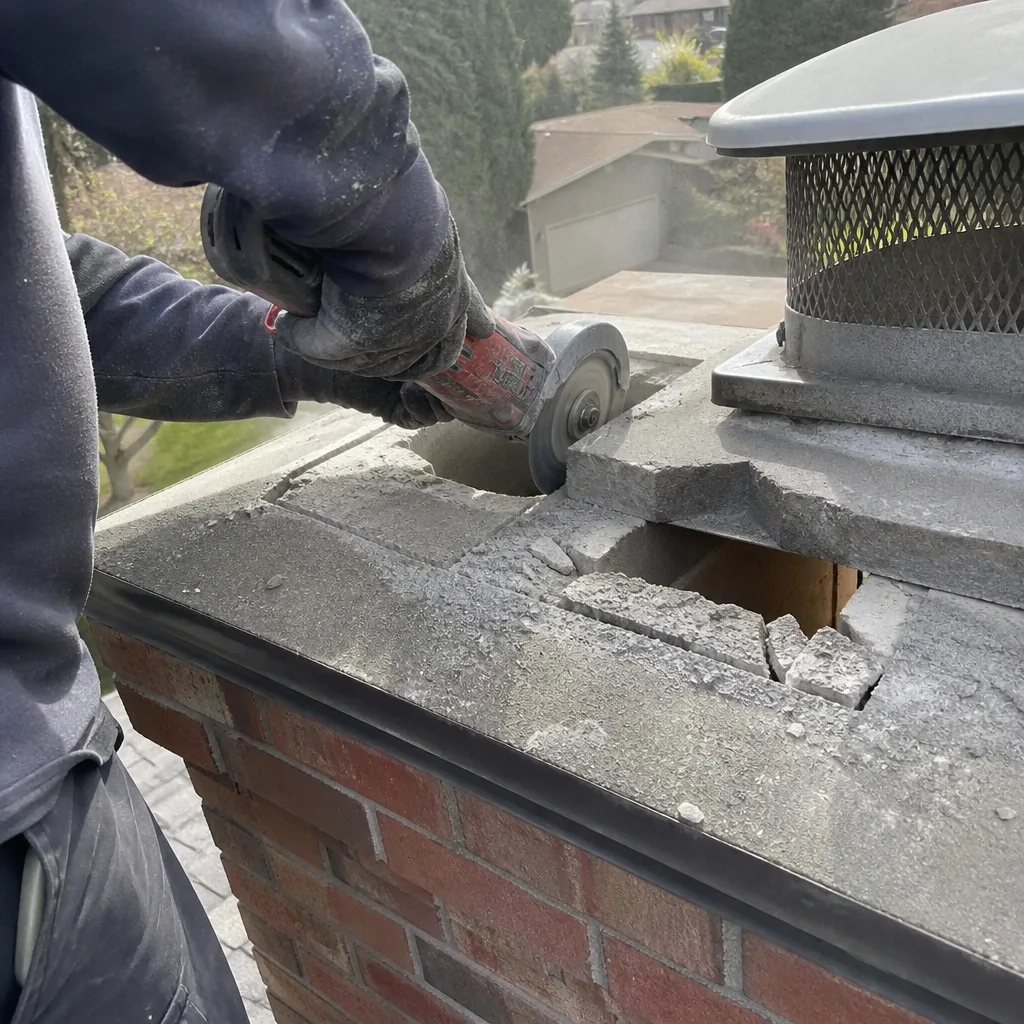
Transparent pricing is central to how we operate. Written price before work starts, every job, no exceptions - that’s Haven Standard Clause 1. For a detailed breakdown of expected costs, see our Chimney Cleaning Cost Breakdown: The Bellevue Homeowner’s Reference for 2026. Here’s what Bellevue homeowners should expect to budget for year-round chimney care, based on our current pricing structure and typical local needs.
| Service | Typical range in Bellevue | Frequency |
|---|---|---|
| Level 2 camera inspection with sweep | $285-$395 | Annual minimum |
| Stage 1-2 creosote sweep (no inspection needed) | $185-$245 | As needed between inspections |
| Stage 3 creosote removal with chemical treatment | $450-$650 | As needed |
| Crown crack repair and seal | $285-$450 | Every 5-10 years with maintenance |
| Stainless steel cap (standard size) | $285-$425 installed | 20+ year lifespan |
| Custom cap (copper or oversized) | $550-$1,200 | 30+ year lifespan |
| Waterproofing application (typical chimney) | $385-$550 | Every 7-10 years |
| Tuckpointing (localized) | $450-$850 | As needed |
| Partial rebuild (spalling damage) | $1,800-$4,500 | As needed |
| Stainless liner replacement (single flue) | $2,800-$4,200 | 20-30 year lifespan |
These ranges reflect Bellevue’s market conditions: higher labor costs than national averages, but competitive material pricing through our Haven buying network with Famco, Copperfield, DuraFlex, and other suppliers. Every quote is written and itemized before work begins. We don’t charge “trip fees” or “diagnostic fees” that apply only if you decline the recommended work.
Our Free Second Opinion policy applies to any written estimate from another provider. Bring us their quote. We’ll review their scope, inspect if needed, and give you our assessment. No charge, no obligation.
The 365-Day Done Right Promise covers all work: if it’s not done right, we make it right. This isn’t marketing language. It’s stamped on every job record and backed by our operational practice since 2009.
Common Mistakes to Avoid
- Waiting for “chimney season” in October. By October, moisture damage from the previous winter has had eight months to worsen, summer repair windows have closed, and scheduling is competitive. Spring and summer maintenance prevents the emergency fall scramble.
- Assuming no fireplace use means no maintenance needed. Unused chimneys in Bellevue often deteriorate faster than used ones. Moisture enters, there’s no drying heat from periodic fires, and animals colonize undisturbed flues. Annual inspection matters even for “decorative” fireplaces.
- Accepting a flashlight inspection as sufficient. The flue interior is where critical damage occurs, and it’s not visible without a camera. If a provider doesn’t offer camera documentation, you’re not getting the information NFPA 211 Level 2 requires for informed decision-making.
- Burning unseasoned or improper wood. Fresh-cut Douglas fir can read 40-50% moisture. It burns poorly, produces excessive creosote, and accelerates liner deterioration. Season wood for 12 months minimum, cover it, and use a moisture meter.
- Ignoring cap damage or missing caps. A damaged cap is often worse than no cap - it traps debris while admitting water. Missing caps invite animals and direct rainfall. Both conditions accelerate damage significantly in Bellevue’s climate.
- DIY creosote removal with improper tools. Poly chimney brushes, drill attachments, and chemical logs sold at hardware stores can damage flue liners, create incomplete removal that hides Stage 3 deposits, or introduce chemicals that corrode stainless components. Professional sweep equipment is matched to your flue material and condition.
- Neglecting to verify permit compliance for wood-burning equipment. Unpermitted installations create insurance and resale complications. Bellevue’s permit records are searchable, and we verify compliance during inspection.
When to Call a Professional
Call for professional inspection when: you notice any odor change, draft irregularity, or visible exterior damage; it’s been more than 12 months since your last Level 2 inspection; you’re purchasing a home and need pre-sale documentation; you’re installing new equipment and need permit compliance verification; or you’ve experienced a chimney fire, even a minor one (indicated by loud roaring, sparks from the top, or sudden draft reversal).
At Level Two Chimney Bellevue home, we provide free estimates for all services. Our technicians are background-checked and uniformed, with license information displayed on every page and a text notification when your technician is en route. Live phone support is available 24 hours a day, 7 days a week - not voicemail, not a web form.
For chimney cleaning, repair, or inspection in Bellevue, call (425) 696-0387. We’ll provide a written price before any work starts, a documented photo record on completion, and the 365-Day Done Right Promise on every job.
Frequently Asked Questions
A Level 2 camera inspection with sweep in Bellevue typically costs $285-$395, depending on flue configuration, accessibility, and creosote stage. A sweep-only visit for Stage 1-2 creosote runs $185-$245. We provide a written, itemized price before any work begins - no estimates that balloon after the technician arrives. Call (425) 696-0387 for an exact quote; estimates are free.
Annual inspection is the minimum for all chimneys, per NFPA 211. For Bellevue’s specific conditions - heavy conifer canopy, year-round needle drop, and moisture-heavy climate - we recommend annual sweep for regular users (3+ fires weekly) and spring inspection plus fall sweep for heavy users or homes under dense tree cover. EPA-certified stoves and inserts may need more frequent cleaning depending on manufacturer specifications and usage. Call us to discuss your specific situation.
You need a new liner when inspection reveals cracks, gaps, or deterioration that compromise the flue’s ability to contain combustion gases and protect surrounding structure. We don’t recommend liner replacement without camera documentation you can see for yourself. Many “liner emergencies” we second-opinion are actually repairable with HeatShield cerfractory sealant or localized tile replacement at a fraction of replacement cost. If another company says you need a new liner, our Free Second Opinion will verify whether that’s accurate and whether less invasive options exist.
Skipped maintenance leads to progressive, expensive damage. Moisture intrusion destroys masonry from the inside out. Creosote accumulation increases fire risk and reduces draft efficiency. Animal nesting blocks flues and creates fire hazards. In Bellevue’s climate, we’ve seen chimneys that needed $200 in crown sealing develop into $4,000+ rebuilds after three years of neglect. The cost of annual inspection and timely repair is a fraction of emergency remediation.
You can monitor for symptoms - odors, draft changes, visible exterior damage - but you cannot perform a Level 2 inspection without specialized camera equipment and training. The critical damage occurs in the flue interior, which is not visible from the firebox or roof without a camera scan. We don’t recommend roof access for homeowners; falls from roof height are a leading cause of home maintenance injury. Professional inspection includes documented findings you can use for insurance, resale, and warranty purposes.
Spring chimney odors in Bellevue typically indicate moisture intrusion - rainwater entering through crown cracks, failed flashing, or deteriorated mortar and mixing with creosote deposits to produce musty or sharp acidic smells. Negative pressure in modern, tightly sealed homes can draw these odors into living spaces even when the damper is closed. A spring inspection identifies the moisture source and corrects it before fall burning season. Call (425) 696-0387 if you’re experiencing persistent chimney odors; we can usually identify the cause during inspection and provide a written repair price the same day.
The Bottom Line
Bellevue’s chimney maintenance needs don’t match the national template. Our rainfall pattern, mild winters, and exceptional tree canopy create a year-round cycle where moisture damage accumulates in shoulder seasons, repairs need summer dry windows, and debris accumulation exceeds national averages. A four-season schedule - spring inspection for moisture and nesting, summer for repairs and waterproofing, fall for pre-season camera sweep, winter for monitoring between visits - prevents the emergency calls and expensive rebuilds that result from the traditional “sweep before Christmas” approach.
The key practices: annual Level 2 camera inspection with documented photo record, timely cap and crown maintenance, proper firewood seasoning, and prompt attention to odor or draft changes. These aren’t complicated, but they require consistency and accurate information about your specific chimney’s condition.
At Level Two Chimney Bellevue, we’ve completed more than 38,000 inspections and cleanings since 2009, every one with a written price before work started and a documented record when done. The Haven Standard governs everything we do, from Clause 1’s written pricing to Clause 4’s photo documentation. We’re independently owned and operated, not a franchise, and we serve Bellevue homeowners with background-checked, uniformed technicians and live phone support 24 hours a day.
Call (425) 696-0387 for a free estimate. We’ll inspect your chimney, show you what we find, and give you a written price before any work begins.
Written by Corrine Halstead, Owner at Level Two Chimney Bellevue, serving Bellevue since 2009.