
Last updated September 22, 2026
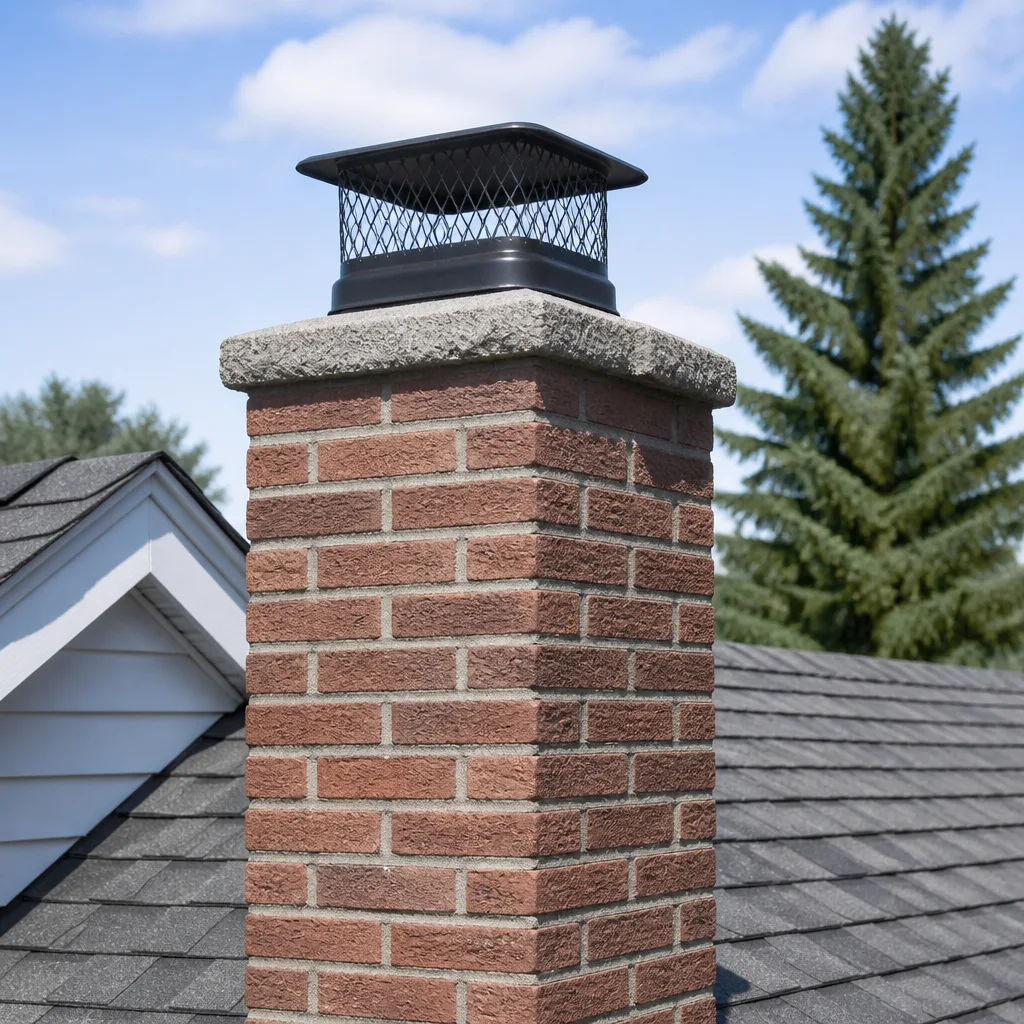
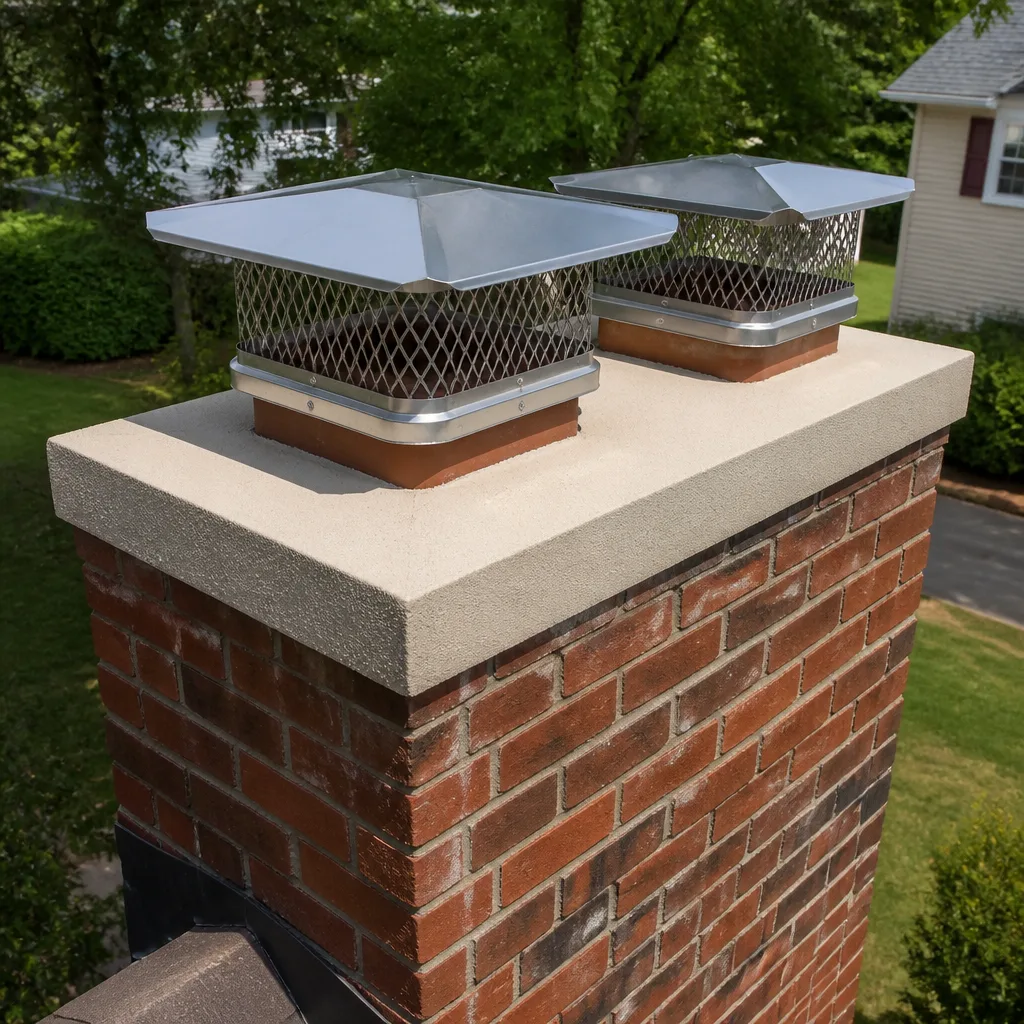
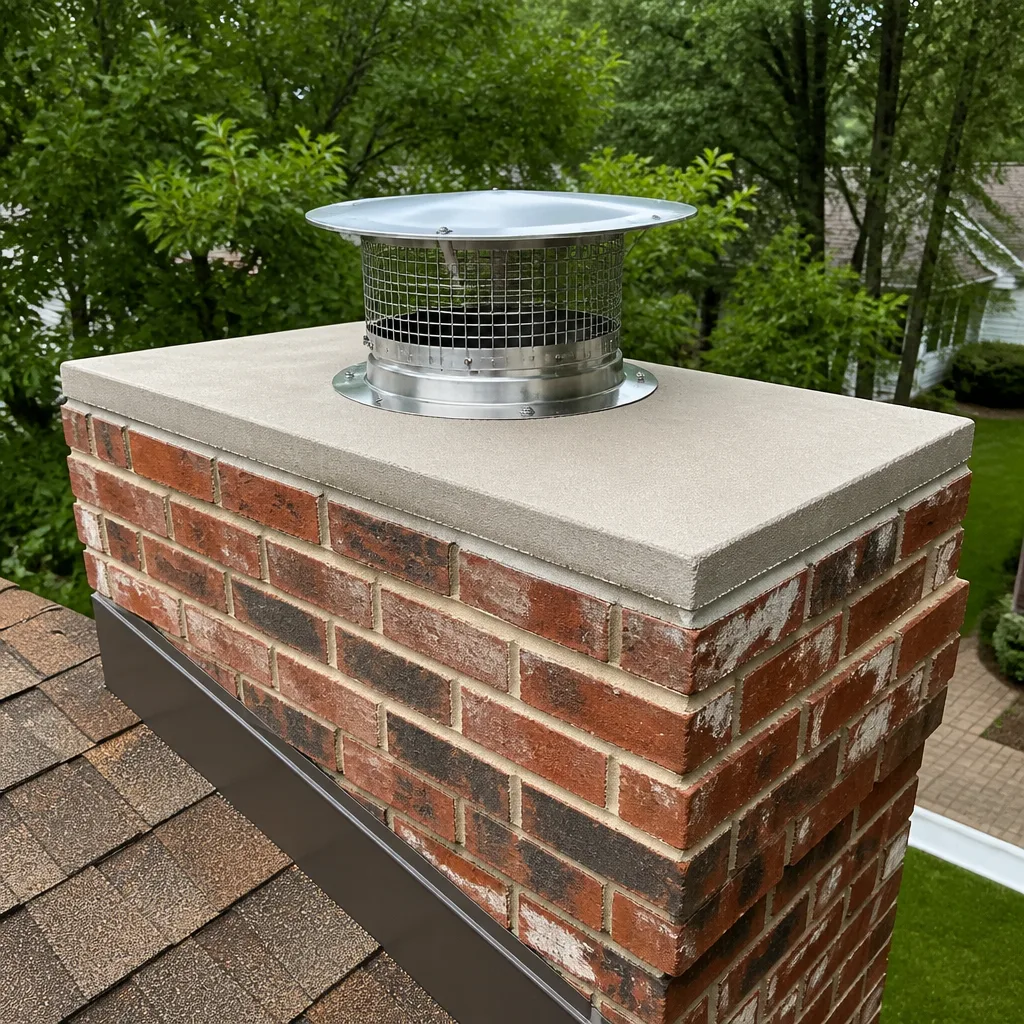
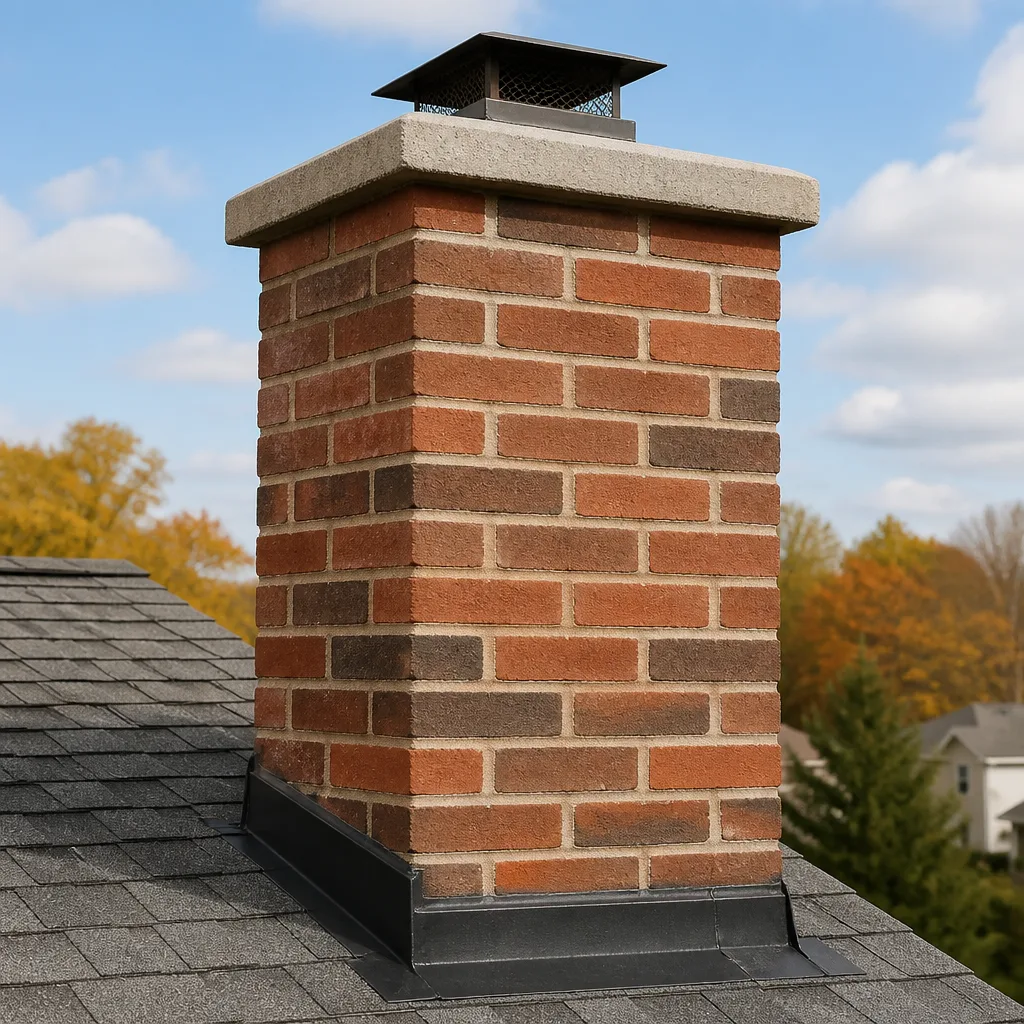
Level 1 sweep and inspection to the NFPA 211 annual standard - flue, crown, cap, and flashing checked and photographed
Chimney sweep logs do not sweep chimneys. They loosen some creosote - which then falls where a brush and vacuum still have to collect it.
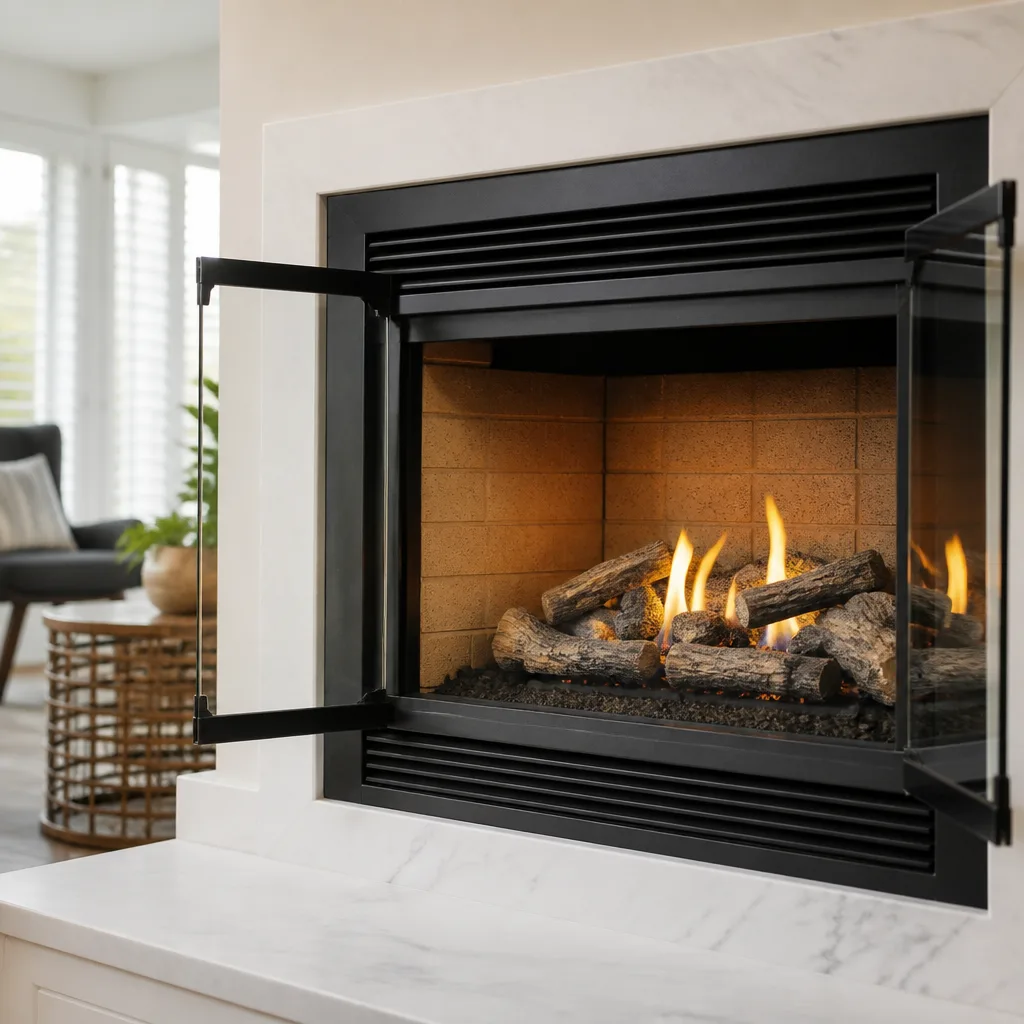
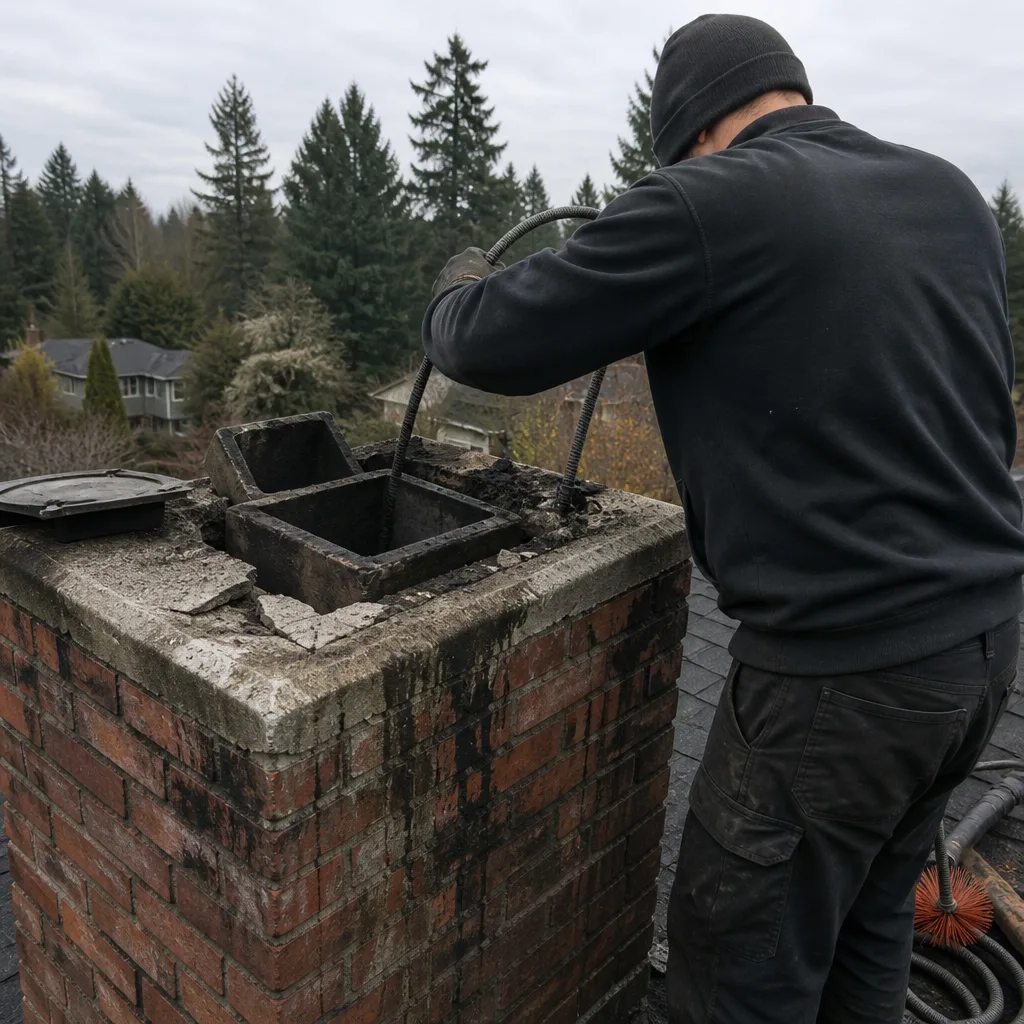 Before
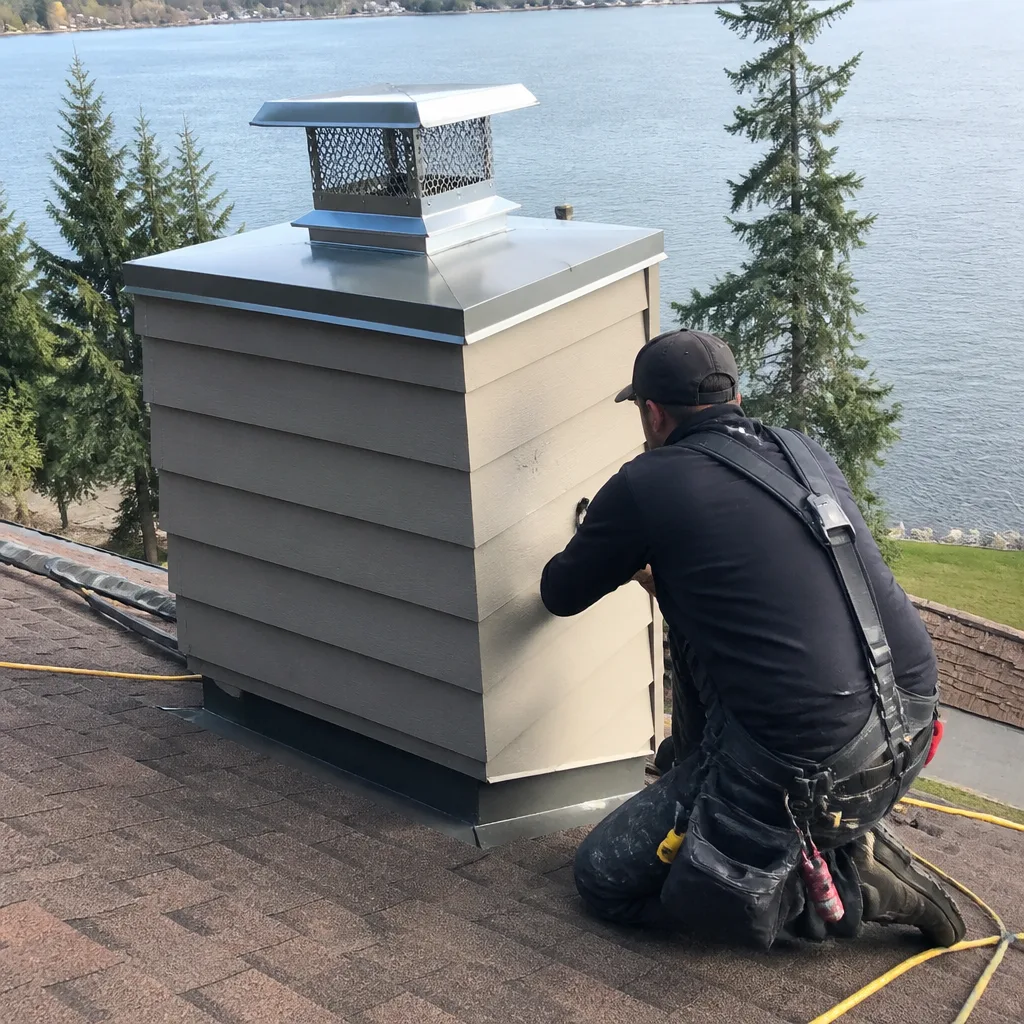 After
After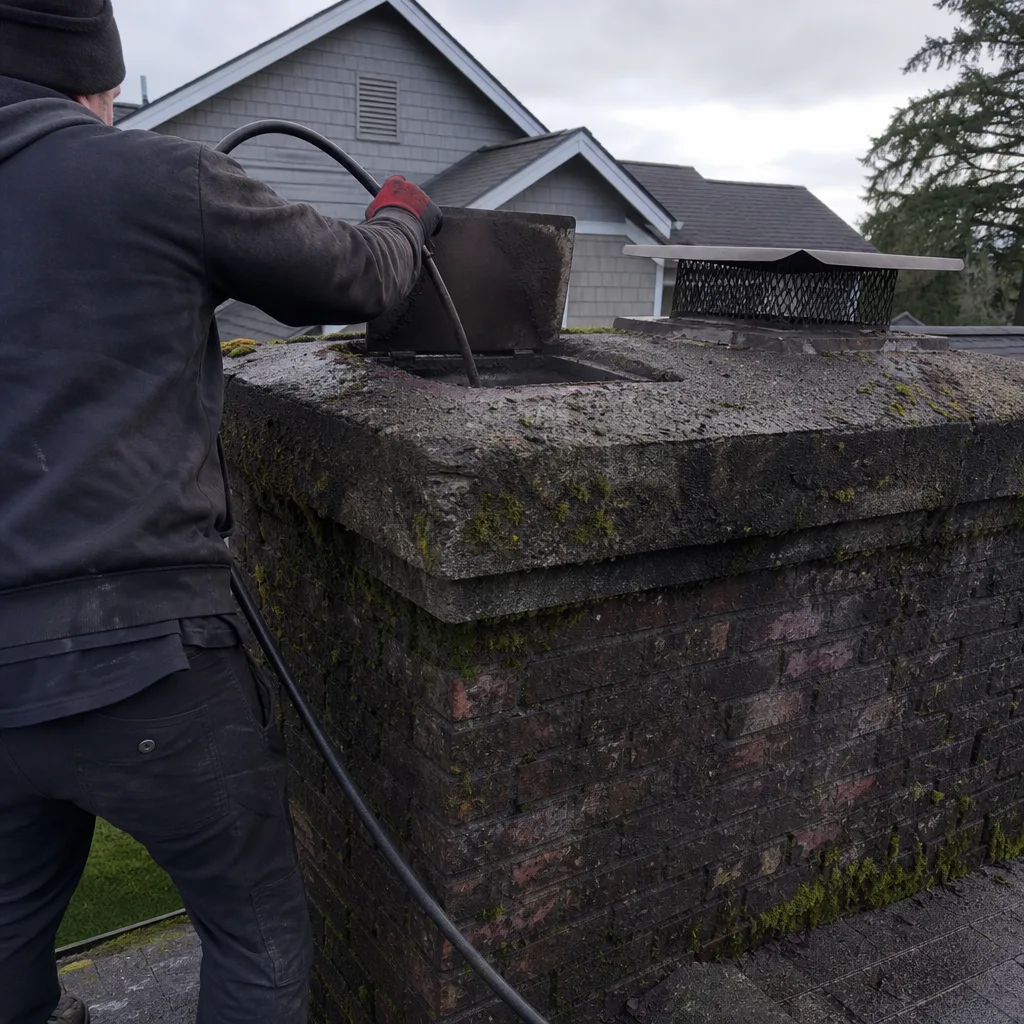 Before
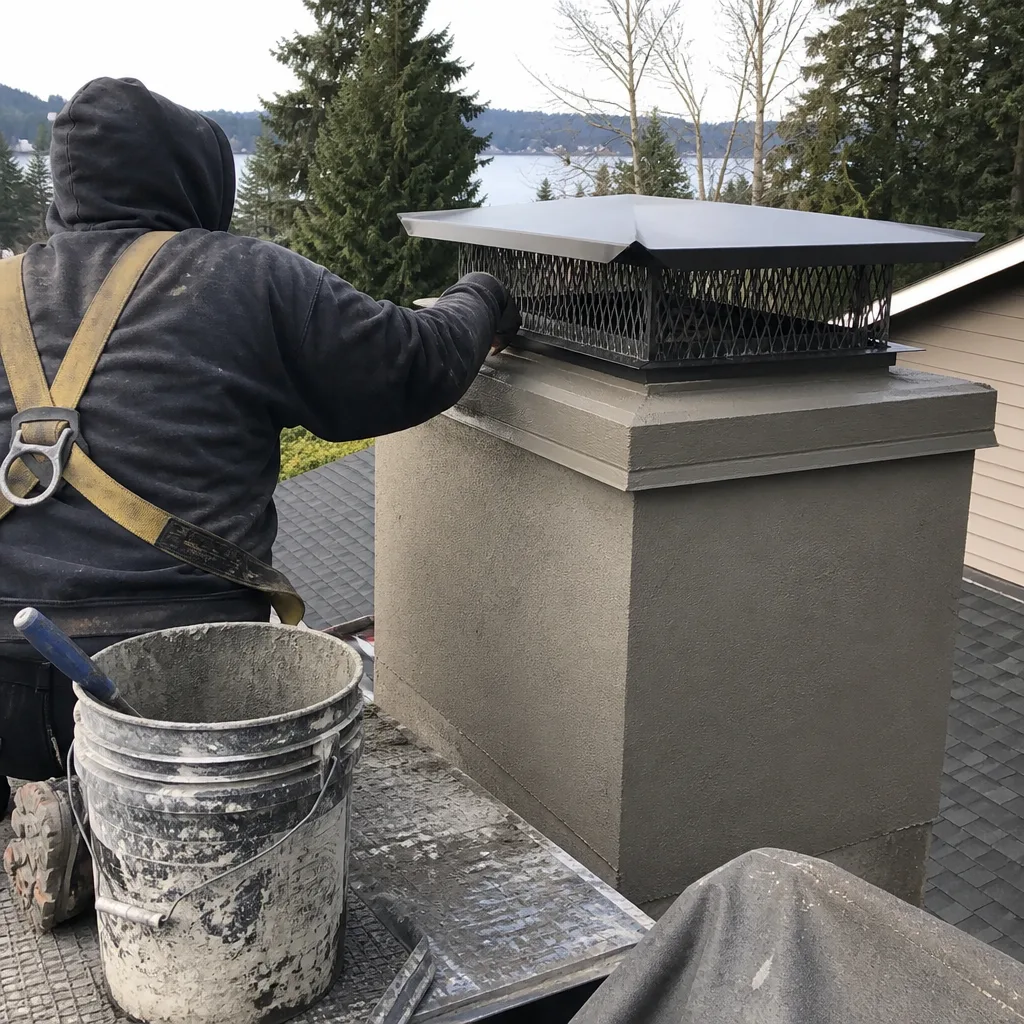 After
After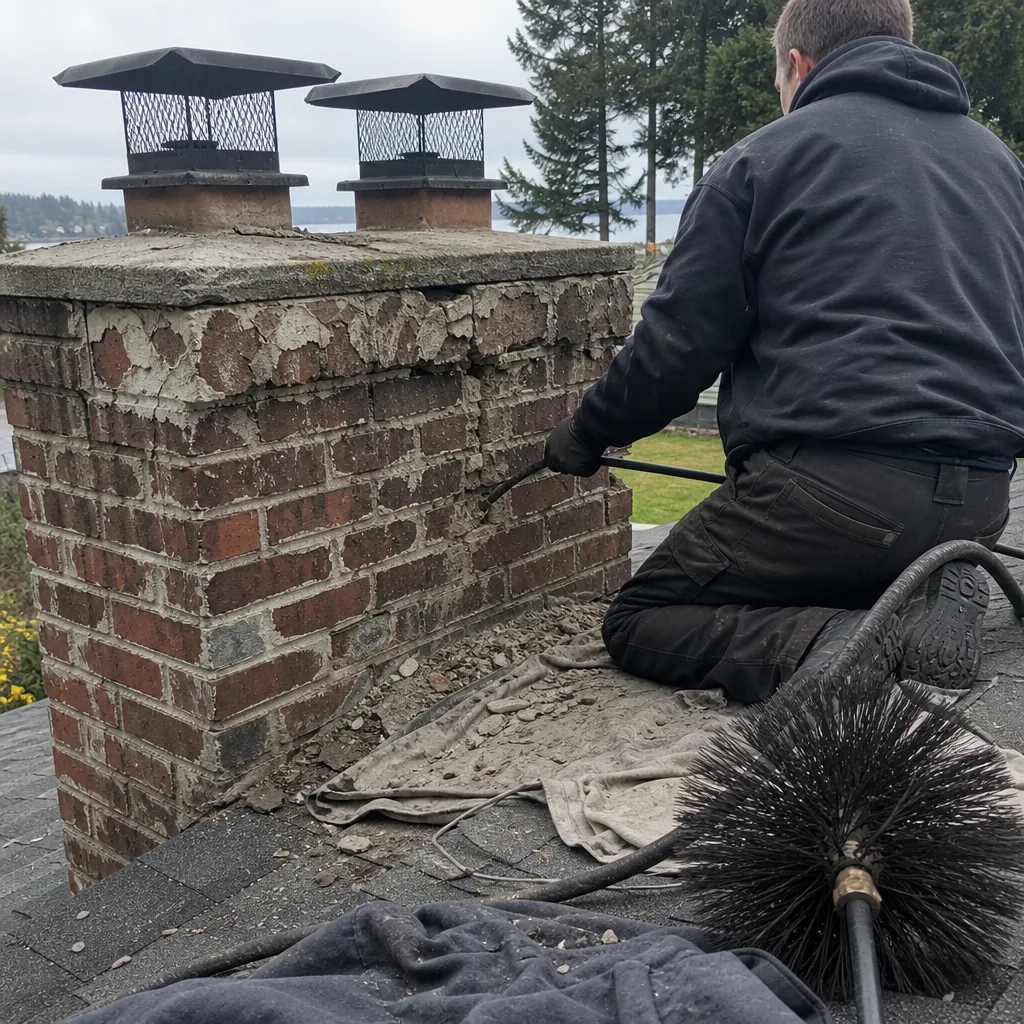 Before
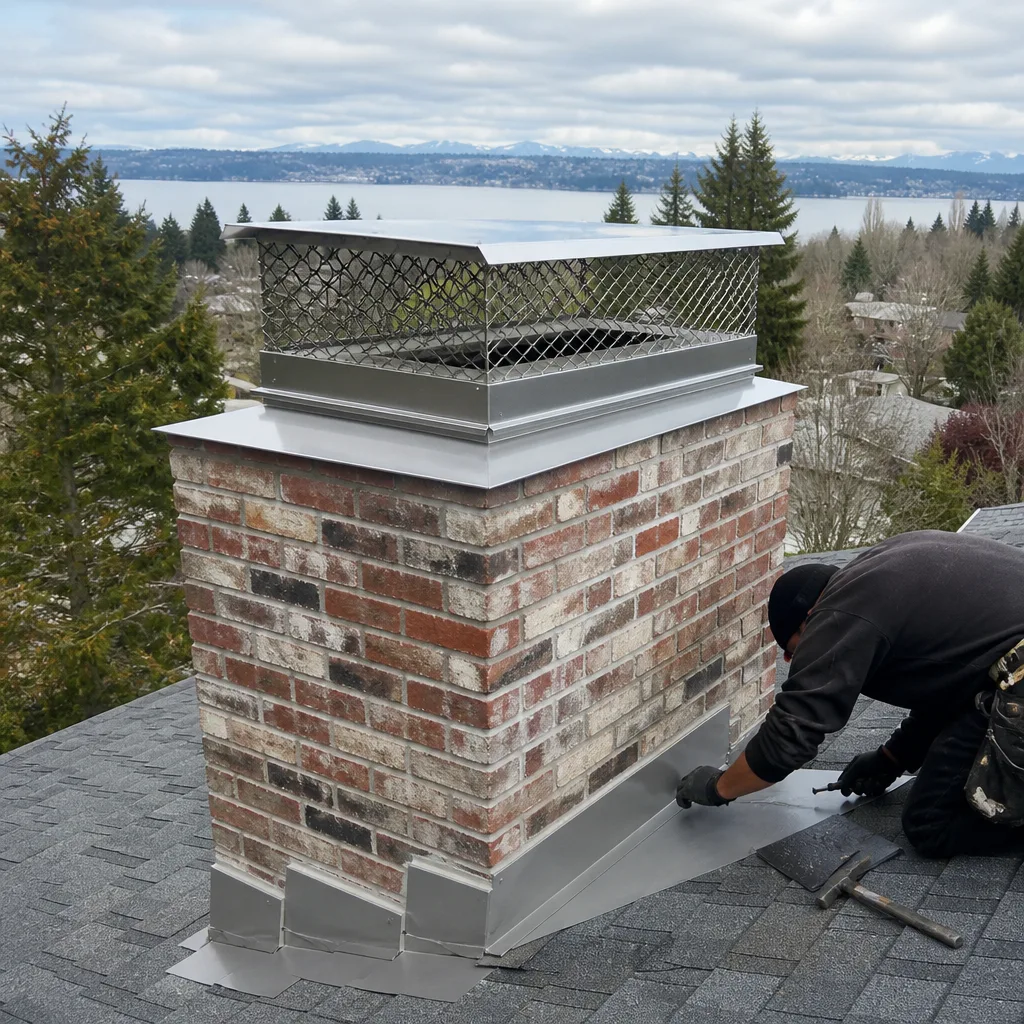 After
AfterChimney Cleaning Warning Signs: A Bellevue Homeowner’s Reference Guide
Here’s the problem with most chimney warning sign lists: they treat a white mineral stain on your firebox wall and a strong smoke odor on a warm August afternoon as equally alarming. They’re not. One is efflorescence, a cosmetic flag that moisture is moving through your masonry. The other can mean your flue liner is compromised and actively routing carbon monoxide into your living space. In Bellevue, where our wet winters and marine climate accelerate masonry deterioration, knowing which signs demand you stop using your fireplace immediately and which ones can wait for a scheduled sweep is the difference between a $200 maintenance visit and a $4,000 emergency rebuild, or worse. This guide-along with our Complete Guide to Chimney Cleaning in Bellevue-sorts every common warning sign into three clear categories: stop-use-now emergencies, schedule-within-30-days concerns, and the routine findings that look scary but rarely are.
Quick Answer
The chimney warning signs that require immediate cessation of use are visible liner cracks, falling masonry inside the firebox, persistent smoke spillage into the room, and strong combustion odors without an active fire. If you’re weighing whether to tackle any of these yourself, see our DIY vs Professional Chimney Cleaning: The Bellevue Homeowner’s Decision Guide. Schedule-within-30-days signs include white efflorescence, minor cap damage, stiff dampers, and Stage 1 creosote odor in summer. Small soot deposits at the damper, minor smoke staining above the firebox opening, and light animal debris in the smoke shelf are typically routine findings that do not require emergency response.
Table of Contents
- Stop-Use-Now Emergency Signs
- Schedule-Within-30-Days Warning Signs
- Signs That Look Alarming but Are Usually Routine
- How a Flue Camera Changes the Diagnosis
- Warning Sign Reference Table
- How Bellevue’s Climate Affects Your Chimney
- Common Mistakes to Avoid
- When to Call a Professional
- Frequently Asked Questions
 Before
 After
AfterStop-Use-Now Emergency Signs
These four signs mean the fireplace or stove should not be used again until a qualified technician has performed an NFPA 211 Level 2 inspection with a flue camera. No exceptions. The risk is structural failure, uncontrolled fire, or carbon monoxide intrusion.
Visible Cracks in the Flue Liner
A flue liner is the clay, metal, or refractory cement channel that carries combustion gases from your firebox to the top of the chimney. When it cracks, those gases can escape into the chimney walls, the attic, or living spaces. In Bellevue, we see accelerated liner deterioration in homes built between 1965 and 1990, when clay tile liners were common and installation standards varied widely.
What to look for: Shiny cracks visible from the firebox opening, pieces of clay tile in the ash dump, or gaps between liner segments. A hairline crack visible to the eye is almost always worse inside the flue where thermal cycling has stressed it. We documented a case in the Lake Hills neighborhood where a homeowner spotted a thin crack at the firebox entrance; the camera revealed a three-foot vertical split allowing exhaust gases into a bedroom wall cavity.
Why stop use immediately: Combustion gases include carbon monoxide, which is odorless and can accumulate to lethal levels before symptoms appear. A cracked liner also allows creosote to penetrate masonry, creating a hidden fire path.
Falling Masonry Inside the Firebox
When firebrick, parging (the smooth mortar coating), or pieces of the smoke chamber fall into the firebox, the structural integrity of the combustion zone is compromised. This is not a cosmetic issue.
What to look for: Sand-like debris in the firebox after non-use periods, chunks of brick or mortar mixed with ash, or visible gaps where firebrick has dislodged. In Crossroads and Factoria, we’ve found this in homes with original 1970s masonry where decades of thermal cycling have degraded the mortar.
Why stop use immediately: Exposed masonry behind firebrick can overheat and transfer that heat to combustible framing. NFPA 211 requires specific clearances between masonry and framing members; when firebrick fails, those clearances may be effectively reduced to zero.
Persistent Smoke Spillage Into the Room
Occasional smoke puffback when starting a fire is usually draft-related and correctable. Persistent smoke spillage during normal operation is not.
What to look for: Smoke visibly entering the room during sustained burning, soot accumulation on mantel or hearth surfaces, or a persistent haze that eye irritation confirms is not just dry winter air. This is distinct from brief backdraft when opening a tightly sealed stove.
Why stop use immediately: Smoke spillage indicates either a blocked flue, negative pressure imbalance, or liner breach. All three can worsen rapidly. In Bellevue’s tighter modern homes, especially in the Bridle Trails and Wilburton areas built since 2010, whole-house exhaust fans and range hoods can create pressure differentials that overcome normal chimney draft. But rule out structural causes before assuming it’s just pressure.
Strong Combustion Odor Without Active Fire
A sharp, acrid, or “chemical” smell from the fireplace when no fire is burning suggests creosote deposits are off-gassing due to heat from the structure, or that combustion gases are leaking through a liner breach into conditioned space.
What to look for: Odor strongest on warm days or when the HVAC system runs, smell that seems to come from walls near the chimney chase, or odor that intensifies rather than fades after rain. In Bellevue’s spring and fall, when daytime temperatures rise into the 60s but masonry remains cool, this is a common report.
Why stop use immediately: The odor is a warning that gases are moving where they should not. Carbon monoxide has no odor, but the compounds that accompany it do. Treat the odor as evidence of a pathway that could carry CO.
Schedule-Within-30-Days Warning Signs
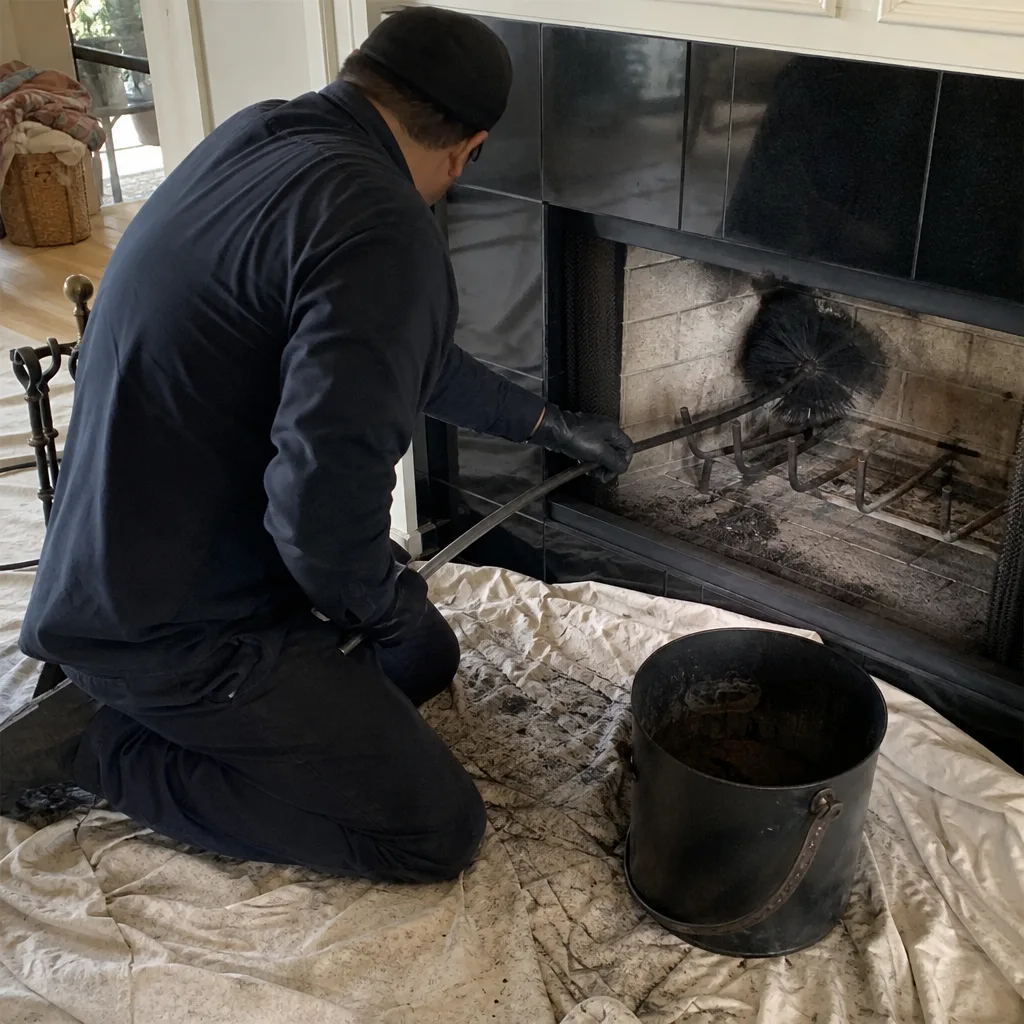
These signs indicate developing problems that warrant attention but do not require immediate cessation of use if the fireplace is operated with normal caution. Schedule an inspection and sweep within 30 days, and avoid extended burns until then.
White Efflorescence on Exterior or Interior Masonry
Efflorescence is the white, powdery deposit of mineral salts left when water moves through masonry and evaporates. It is evidence of moisture intrusion, which in Bellevue’s climate is nearly universal but still demands management.
What to look for: White staining on the exterior chimney face, particularly above the roof line; powdery residue on firebox walls; or crystalline deposits on the hearth extension. In the Newport Hills and Somerset areas, where wind-driven rain hits chimneys harder, we see this frequently on west-facing exposures.
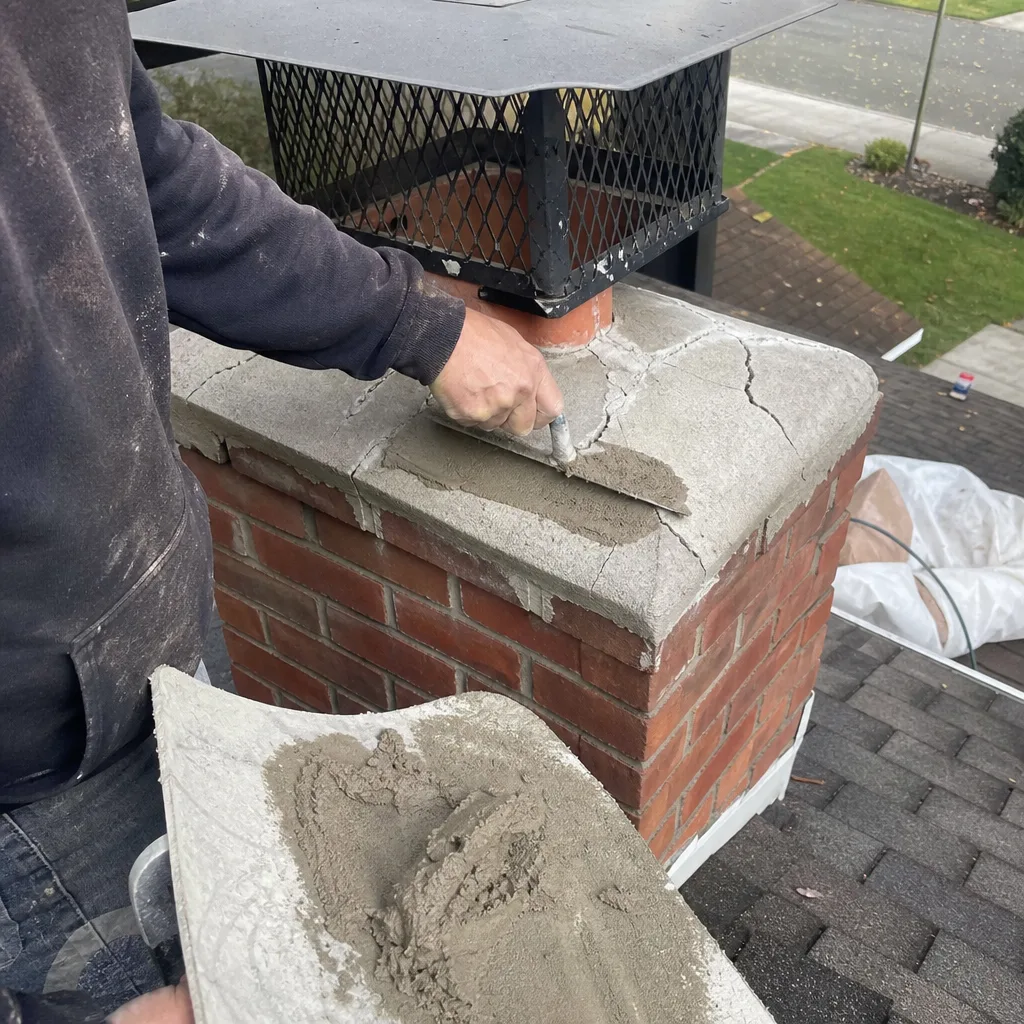
What it means: Water is entering the masonry system. Left unaddressed, this leads to freeze-thaw damage (spalling), mortar deterioration, and eventually structural compromise. The moisture source may be a failed crown, deteriorated mortar joints, or missing or damaged flashing.
Why 30 days is appropriate: Efflorescence develops over seasons, not days. The underlying moisture problem needs correction, but the chimney is typically safe for normal use while you arrange inspection. A Level 2 camera inspection will identify whether the moisture has reached the liner or is confined to the exterior masonry.
Minor Cap Damage or Missing Spark Arrestor
The chimney cap prevents water entry, animal intrusion, and spark emission. Damage ranges from cosmetic to functional.
What to look for: Bent or dislodged mesh, rust holes in the cap body, or a cap that sits askew on the flue tile. In Bellevue, we install caps from Olympia Chimney and Famco through our Haven buying network, specifically selected for marine climate corrosion resistance.
What it means: A compromised cap admits water and animals. Rain directly into the flue accelerates liner deterioration and creosote acidity. Animal nesting material is a recognized fire hazard. But a single burn session without a cap does not create an emergency.
Stiff or Noisy Damper Operation
The damper regulates draft and prevents heat loss when the fireplace is not in use. Stiff operation suggests corrosion, creosote buildup, or mechanical wear.
What to look for: Requires force to open or close, grinding or scraping sound during operation, or visible rust on the damper plate or frame. In Bellevue’s humid summers, we see seasonal stiffness in dampers that have not been operated for months.
What it means: A stuck-open damper wastes energy. A stuck-closed damper is obvious (smoke fills the room immediately). The intermediate state, partial opening, is more subtle and can cause poor draft, accelerated creosote deposition, or carbon monoxide risk if combustion is incomplete.
Stage 1 Creosote Odor in Summer
Creosote, the combustion byproduct that deposits on flue walls, has distinct stages. Stage 1 is sooty, flaky, and readily removable. Its odor in warm weather is common and not an emergency.
What to look for: A “campfire” or tar-like smell from the fireplace during hot, humid periods, especially when the house is closed and air conditioning runs. This is normal off-gassing from deposits that have accumulated over the burning season.
What it means: You need a sweep before the next burning season. The odor itself is not hazardous. However, if the odor is sharp, acrid, or chemical rather than woody, reclassify it as the emergency sign above and stop use.
Signs That Look Alarming but Are Usually Routine
Homeowners naturally worry when they notice anything unusual. These three findings generate anxious calls but rarely indicate significant problems.
Small Amounts of Soot at the Damper
A light dusting of black powder on the damper plate or at the firebox-throat junction is normal residue from the last burn. It becomes concerning only when the deposit is thick, glazed, or extends significantly up the smoke chamber.
What distinguishes routine from problematic: Wipe it with a finger. If it’s a light film that smears, it’s recent soot. If it’s a hard, shiny, or tar-like layer that does not wipe, that’s Stage 2 or 3 creosote and needs professional removal.
Minor Smoke Staining Above the Firebox Opening
A faint brown or gray haze on the mantel or surround, especially in older homes with shallow fireboxes, is often a decorative issue rather than a safety concern. It indicates that a small amount of smoke escaped during startup before the chimney established adequate draft.
What distinguishes routine from problematic: Staining that is faint, dry, and limited to a few inches above the opening is cosmetic. Staining that is heavy, oily, extends more than six inches, or is accompanied by smoke smell during operation suggests draft problems or liner issues.
Light Animal Debris in the Smoke Shelf
The smoke shelf, the flat area behind the damper, collects debris. Small amounts of leaves, twigs, or light nesting material are common, especially in Bellevue’s tree-canopied neighborhoods like Clyde Hill and Medina.
What distinguishes routine from problematic: A few leaves or a thin layer of organic material is expected and removed during normal sweeping. Active nests, significant accumulation that restricts airflow, or evidence of animals currently occupying the flue (sounds, odors, fresh droppings) require immediate attention.
How a Flue Camera Changes the Diagnosis
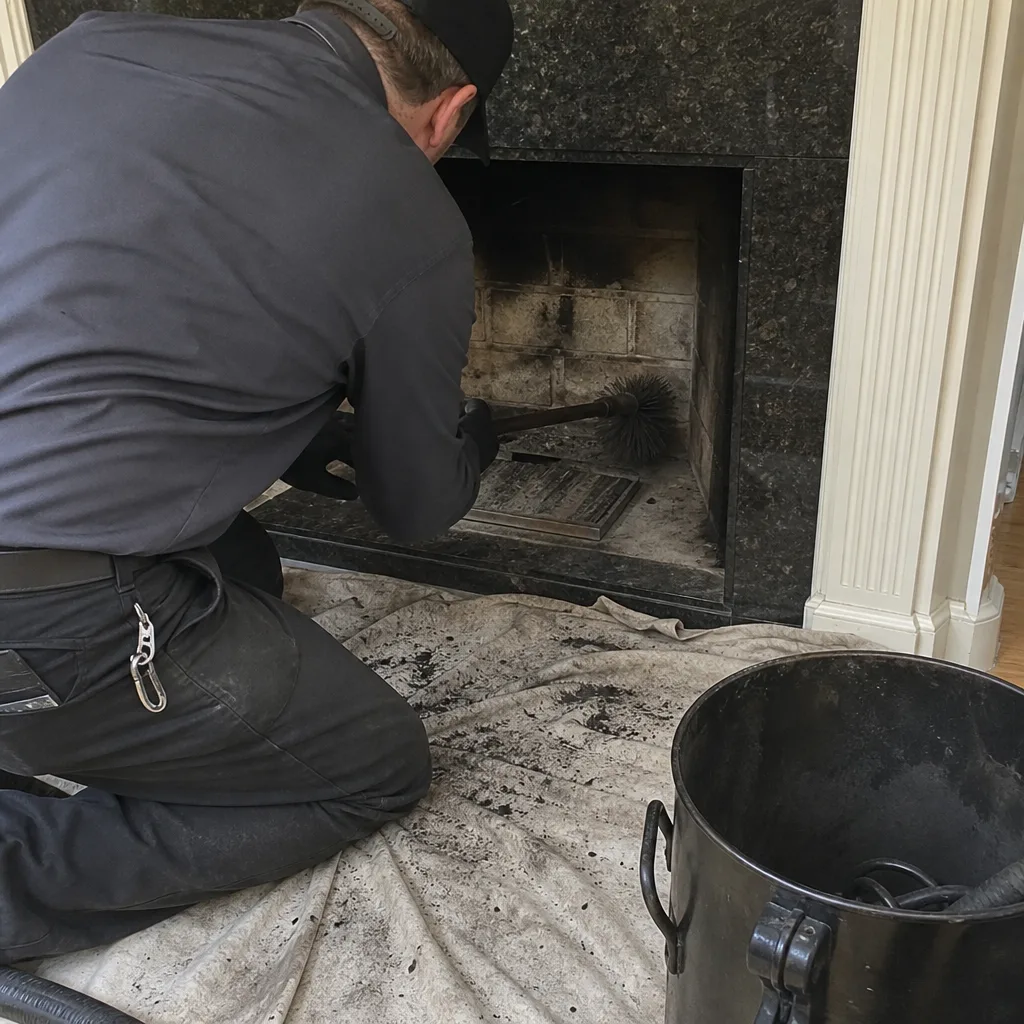
The critical limitation of visual-only chimney inspection is that most of the system is not visible, which is why knowing how to hire a chimney cleaning contractor in Bellevue matters so much. A standard flashlight look from the firebox or roof reveals perhaps 15% of the flue surface. The remaining 85%, where thermal stress and acid corrosion concentrate, is inaccessible without a camera.
Here’s what a flue camera actually shows versus what a visual inspection can assess:
| Finding | Visual Inspection Limitation | Camera Inspection Capability |
|---|---|---|
| Hairline crack at firebox entrance | Visible; severity unknown | Tracks crack full length, measures opening width, identifies gas leakage paths |
| Smoke staining on exterior masonry | Indicates draft problem; cause speculative | Reveals liner offset, blockage, or deterioration causing spillage |
| White efflorescence on firebox wall | Suggests moisture; source unclear | Identifies liner breach allowing exhaust condensation into masonry |
| Spalling brick on chimney exterior | Visible damage; internal extent unknown | Determines whether freeze-thaw damage has compromised liner support |
In our experience across Bellevue’s housing stock, visual-only inspections of the same chimney produce false negatives and false positives at roughly equal rates. We find liners that appeared intact from the top but were cracked below the roof line. We also find situations where exterior spalling looked severe but the liner and structural core were sound, avoiding unnecessary rebuild quotes.
Clause 4 of the Haven Standard requires a documented photo record on every job. This is not marketing. It is the archive practice we established in 2009 because a photograph of a crack is evidence that a verbal description is not. When a homeowner in the Overlake area receives a $6,000 liner replacement quote from another company, our free second opinion includes showing them their own flue footage so they can see what we see. Sometimes the crack is real and replacement is warranted. Sometimes the “crack” is a manufacturing seam in a stainless steel liner, visible on camera but misidentified by a flashlight look. For more guides & resources on keeping your chimney safe, visit our blog.
The distinction between surface crack and structural breach is the most consequential camera diagnosis. A surface crack in a clay tile liner, confined to the inner face and not penetrating the full tile thickness, may be monitorable. A crack that penetrates the tile, opens under thermal stress, or connects to a gap between tiles is a breach. Only a camera moving through the flue under controlled lighting can make this determination reliably.
Warning Sign Reference Table
| Warning Sign | Likely Cause | Recommended Response | Inspection Level |
|---|---|---|---|
| Visible liner cracks | Thermal stress, age, chimney fire damage | Stop use immediately; schedule Level 2 inspection | Level 2 with camera |
| Falling masonry in firebox | Mortar failure, thermal degradation, moisture damage | Stop use immediately; schedule Level 2 inspection | Level 2 with camera |
| Persistent smoke spillage | Blockage, liner breach, negative pressure, improper sizing | Stop use immediately; schedule Level 2 inspection | Level 2 with camera |
| Strong odor without fire | Liner breach, creosote off-gassing, animal decomposition | Stop use immediately; schedule Level 2 inspection | Level 2 with camera |
| White efflorescence | Moisture intrusion through crown, mortar, or flashing | Schedule within 30 days; monitor for acceleration | Level 2 recommended; Level 1 if confined to exterior |
| Minor cap damage | Wind, corrosion, animal activity, age | Schedule within 30 days; cap replacement | Level 1 sufficient |
| Stiff or noisy damper | Creosote buildup, corrosion, mechanical wear | Schedule within 30 days; service or replacement | Level 1 with damper assessment |
| Stage 1 creosote odor in summer | Normal off-gassing from accumulated deposits | Schedule sweep before next burning season | Level 1 sweep |
| Light soot at damper | Normal residue from recent use | None; confirms need for annual sweep | Level 1 sweep |
| Minor smoke staining above opening | Startup spillage in shallow firebox | Cosmetic cleaning; assess if worsening | Level 1 if isolated |
| Light animal debris in smoke shelf | Normal accumulation from nearby trees | Remove during scheduled sweep | Level 1 sweep |
How Bellevue’s Climate Affects Your Chimney
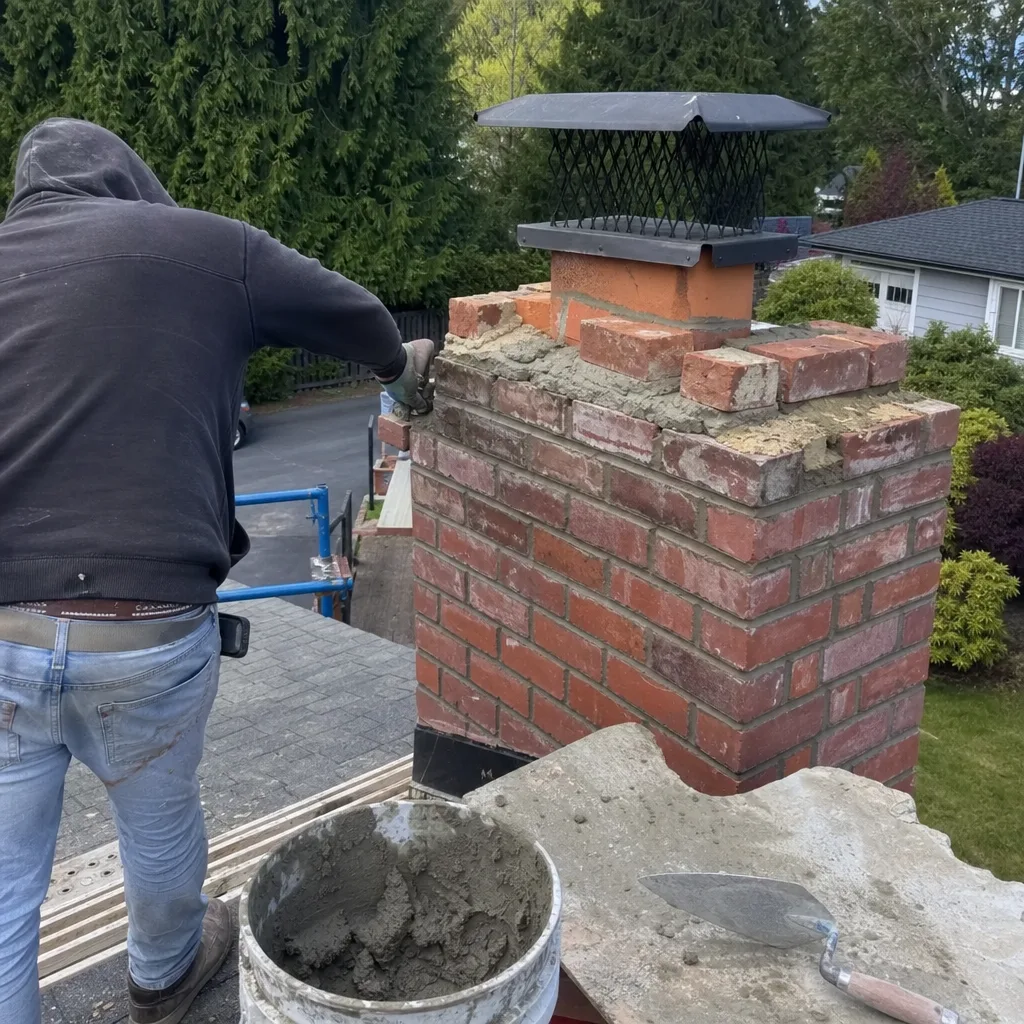
Bellevue’s specific climate patterns create chimney conditions that differ from both drier eastern Washington and more severely cold northern climates. Understanding these local factors helps interpret warning signs accurately.
Marine moisture and freeze-thaw cycles: Our winters are mild in temperature but wet. Masonry absorbs significant moisture, then experiences freeze-thaw stress during the cold snaps that do occur, typically in December through February. This produces spalling and mortar deterioration faster than cumulative degree-day models would predict. A chimney that would last 60 years in a dry climate may show significant exterior degradation in 35-40 years here.
Wind-driven rain on hillside exposures: Bellevue’s topography creates localized wind patterns. Chimneys on west and southwest exposures in Somerset, Newport Hills, and the Lake Hills ridge catch more wind-driven rain. Efflorescence and cap damage appear earlier on these exposures. When we inspect, we note exposure because it predicts where problems will concentrate.
Tight home construction and pressure imbalances: Newer construction in Bridle Trails, Wilburton, and downtown Bellevue meets or exceeds Washington State Energy Code requirements for air sealing. This is excellent for efficiency but can create negative pressure that affects draft, especially when range hoods, dryers, and bathroom exhausts operate simultaneously. Smoke spillage in these homes often traces to pressure, not structural failure, but the distinction requires measurement and testing, not assumption.
Moderate burning season, extended shoulder seasons: Because our coldest periods are intermittent, many Bellevue homeowners use fireplaces sporadically, starting and stopping frequently. This thermal cycling is harder on clay liners than sustained operation. The repeated expansion and contraction produces the thermal shock cracks we frequently document in camera inspections.
Common Mistakes to Avoid
- Assuming no odor means no problem. Carbon monoxide is odorless. A chimney can have a compromised liner, poor draft, or developing blockage and produce no smell until the situation is severe. In Bellevue’s tightly built homes, CO can accumulate to dangerous levels before any warning sign appears.
- Treating all cracks as equal. A hairline crack in exterior brick facing is rarely structural. A crack in the flue liner, even if invisible from the firebox, can be immediately hazardous. The location and material matter more than the width.
- Using the fireplace “just once more” after noticing a stop-use sign. We hear this regularly: “I saw the crack but figured one more fire wouldn’t hurt.” Liner breaches and masonry failures can progress from manageable to catastrophic in a single high-temperature burn. The cost of an emergency inspection is trivial compared to the cost of a chimney fire or CO poisoning.
- Accepting a flashlight inspection as sufficient. In Washington State, there is no licensing requirement that defines what constitutes a chimney inspection. A ” Level 1 inspection” performed without a camera meets NFPA 211’s written definition but provides no documentation of the 85% of the flue that cannot be seen. Always ask whether the inspection includes a camera scan and photo record.
- Ignoring summer odors. Bellevue homeowners often notice creosote smell in July or August, assume it’s normal, and forget by October. Mark your calendar when you smell it. That odor is a reliable indicator that deposits have accumulated to the point requiring removal before the next burning season.
- Hiring based on lowest price without verifying scope. A $99 “sweep and inspection” that includes no camera, no photo record, and no written scope is not comparable to a documented Level 2 inspection. The Haven Standard’s Clause 1 requires a written price, written scope, and written warranty before work starts specifically so homeowners can compare actual deliverables, not just headline prices.
When to Call a Professional
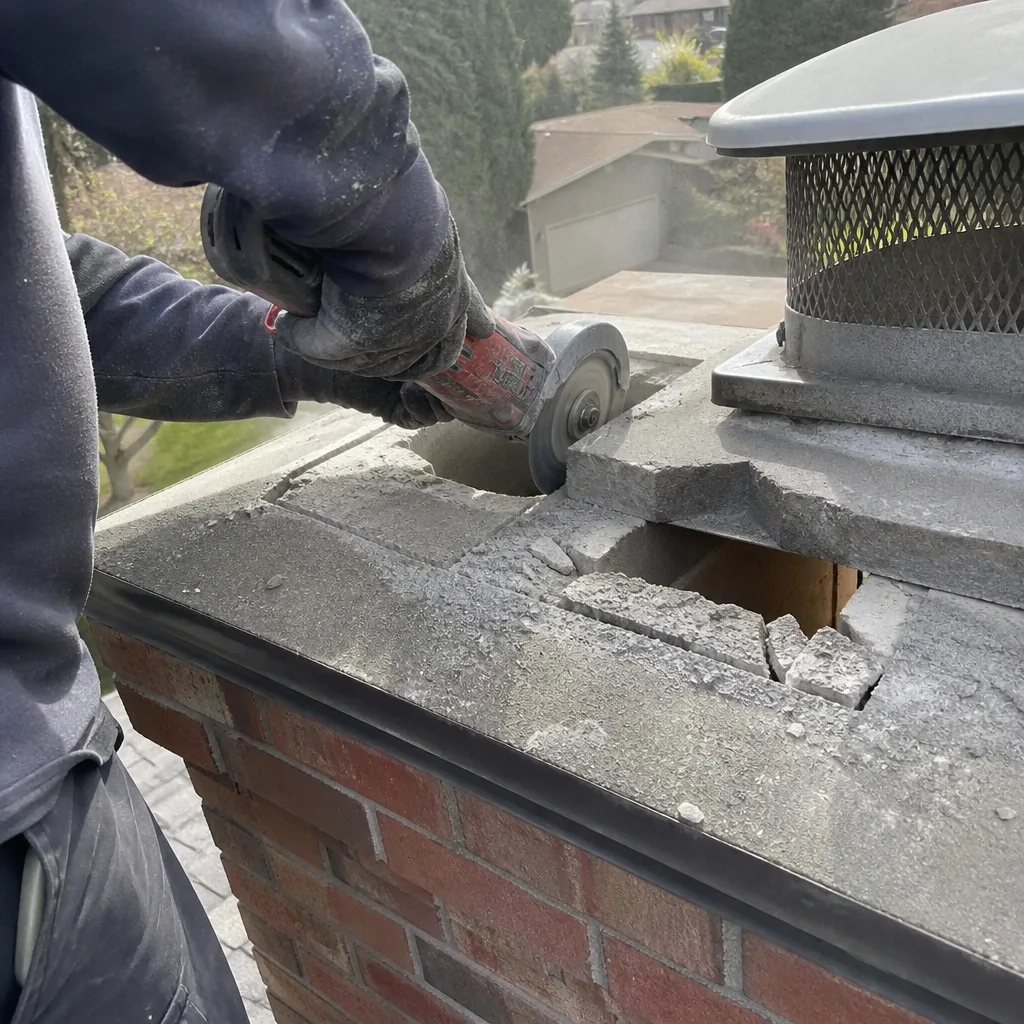
Call immediately if you observe any stop-use-now sign: visible liner cracks, falling masonry, persistent smoke spillage, or strong combustion odor without fire. Do not use the fireplace again until a Level 2 inspection with flue camera has been performed and documented.
Schedule within 30 days for efflorescence, cap damage, damper issues, or summer creosote odors. These are manageable but progressive conditions that become more expensive to address with delay.
Chimney Cleaning & Sweep in Bellevue from Level Two Chimney Bellevue includes the NFPA 211 Level 2 camera inspection as standard, not an upgrade. Every job receives a written price before work starts, a documented photo record on completion, and the 365-Day Done Right Promise. We offer free second opinions on any competitor’s written estimate. Call (425) 696-0387 for a free estimate in Bellevue, or visit our Level Two Chimney Bellevue home page to learn more about the Haven Standard.
Frequently Asked Questions
A complete chimney sweep with NFPA 211 Level 2 camera inspection in Bellevue typically ranges from $275 to $425, depending on flue configuration, accessibility, and whether creosote removal requires specialized equipment for Stage 2 or 3 deposits. Level Two Chimney Bellevue delivers a written price before any work starts, with no surprise add-ons. Call (425) 696-0387 for an exact quote - estimates are free.
You need a new liner only if the existing liner is breached, deteriorated beyond repair, or improperly sized for the appliance being vented. A camera inspection determines this with certainty. We have reviewed competitor estimates in Bellevue that recommended liner replacement for manufacturing seams, minor surface cracks, or conditions that repair methods like HeatShield could address at a fraction of the cost. Nothing is recommended without camera evidence you can see for yourself. Call (425) 696-0387 for a free second opinion on any written estimate.
NFPA 211 recommends annual inspection, with sweeping as needed based on deposit accumulation. In Bellevue’s climate, most wood-burning fireplaces need sweeping after every cord to cord-and-a-half of wood burned, which for typical use means annually. Gas fireplaces require less frequent cleaning but still need annual inspection for debris, moisture damage, and venting integrity. The 38,000+ inspections we’ve completed since 2009 show that Bellevue homeowners who burn irregularly often need more attention, not less, because intermittent use produces more creosote per burn than sustained operation.
Skipped maintenance leads to creosote accumulation, which increases chimney fire risk and reduces draft efficiency. Moisture intrusion progresses to spalling, mortar failure, and structural compromise. A compromised liner can leak combustion gases including carbon monoxide into living spaces. In Bellevue’s wet climate, the timeline from first moisture intrusion to significant masonry damage is typically 3-5 years, not decades. The cost differential is substantial: a $325 annual sweep versus a $3,500-$8,000 rebuild. Call (425) 696-0387 to schedule before the next burning season.
Homeowners can and should observe the warning signs this guide describes. However, a complete assessment requires a flue camera, proper lighting, and training to distinguish between surface conditions and structural breaches. We encourage Bellevue homeowners to look, photograph what they see, and call us with questions. But we do not recommend that homeowners attempt to access or evaluate the flue interior themselves. The risk of missing a significant hazard exceeds the cost of professional inspection. Our free estimates include a full camera scan with photo documentation.
A Level 1 inspection is a visual examination of readily accessible portions of the chimney exterior, interior, and connecting appliance, without specialized tools. A Level 2 inspection includes everything in Level 1 plus examination by video scanning or other means of the internal surfaces and flue liners, and inspection of attics, crawl spaces, and basements as appropriate. In Bellevue, Level Two Chimney Bellevue performs Level 2 as our standard service because the conditions that matter most are not visible without a camera. Clause 4 of the Haven Standard requires this documented photo record on every job.
The Bottom Line
Not every chimney warning sign is an emergency, but treating emergencies as routine is how houses burn and families are poisoned. The four stop-use-now signs, four schedule-within-30-days concerns, and three routine findings in this guide give Bellevue homeowners a practical framework for responding to what they observe. The marine climate here accelerates certain problems and masks others, making documentation, not assumption, the basis for good decisions. A flue camera inspection transforms guesswork into evidence. Written pricing, photo records, and the 365-Day Done Right Promise transform promises into accountability. That’s the standard we’ve operated under since 2009.
Written by Corrine Halstead, Owner at Level Two Chimney Bellevue, serving Bellevue since 2009.